- New!
- Band
- Percussion
- Orchestra
- Brass Band
- Jazz
- Chamber
- Voice


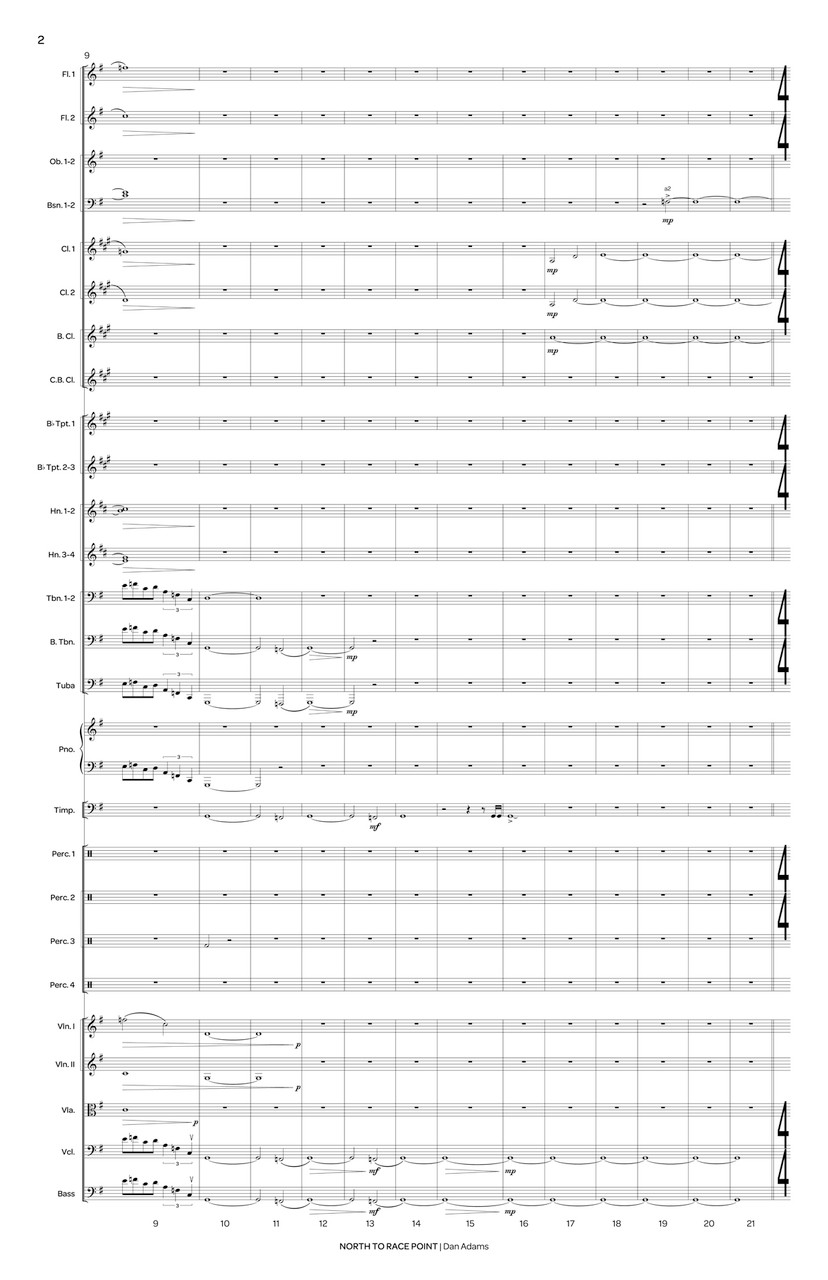


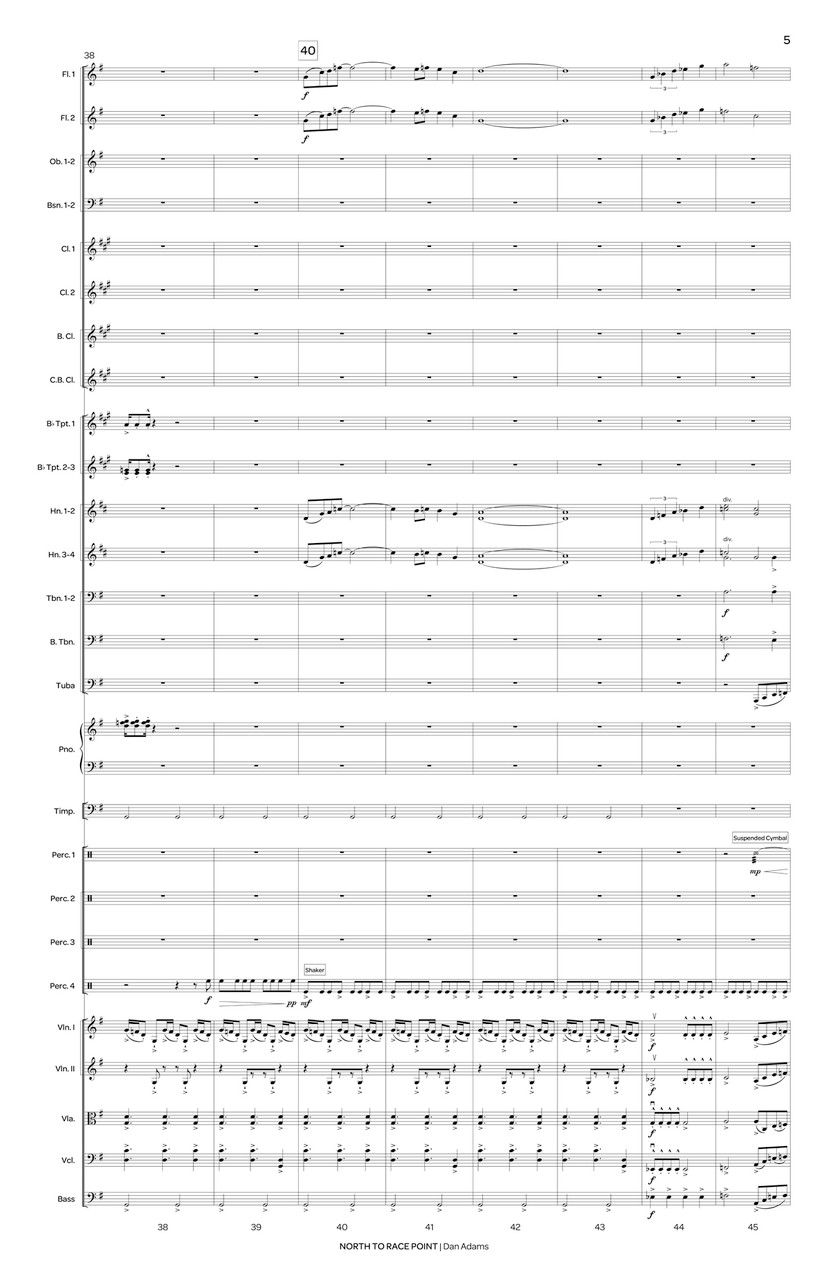


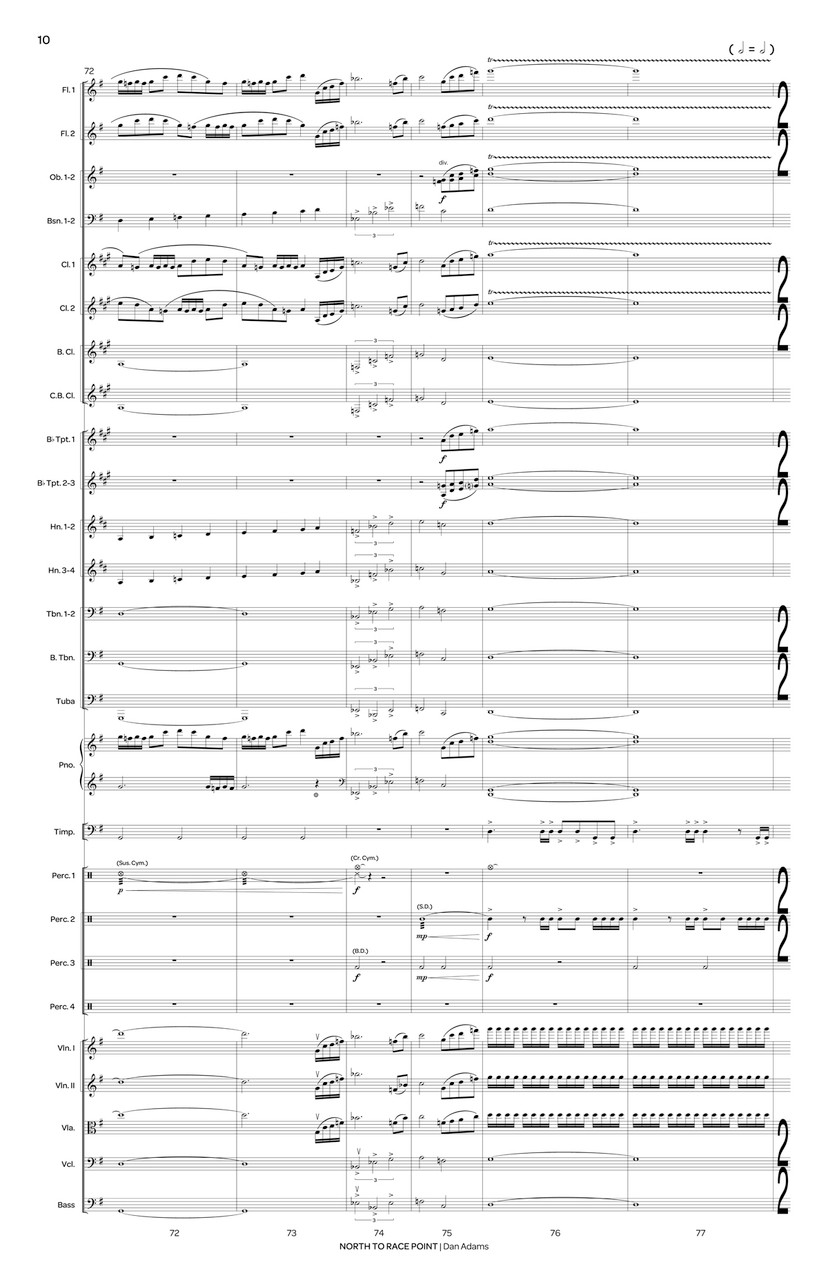
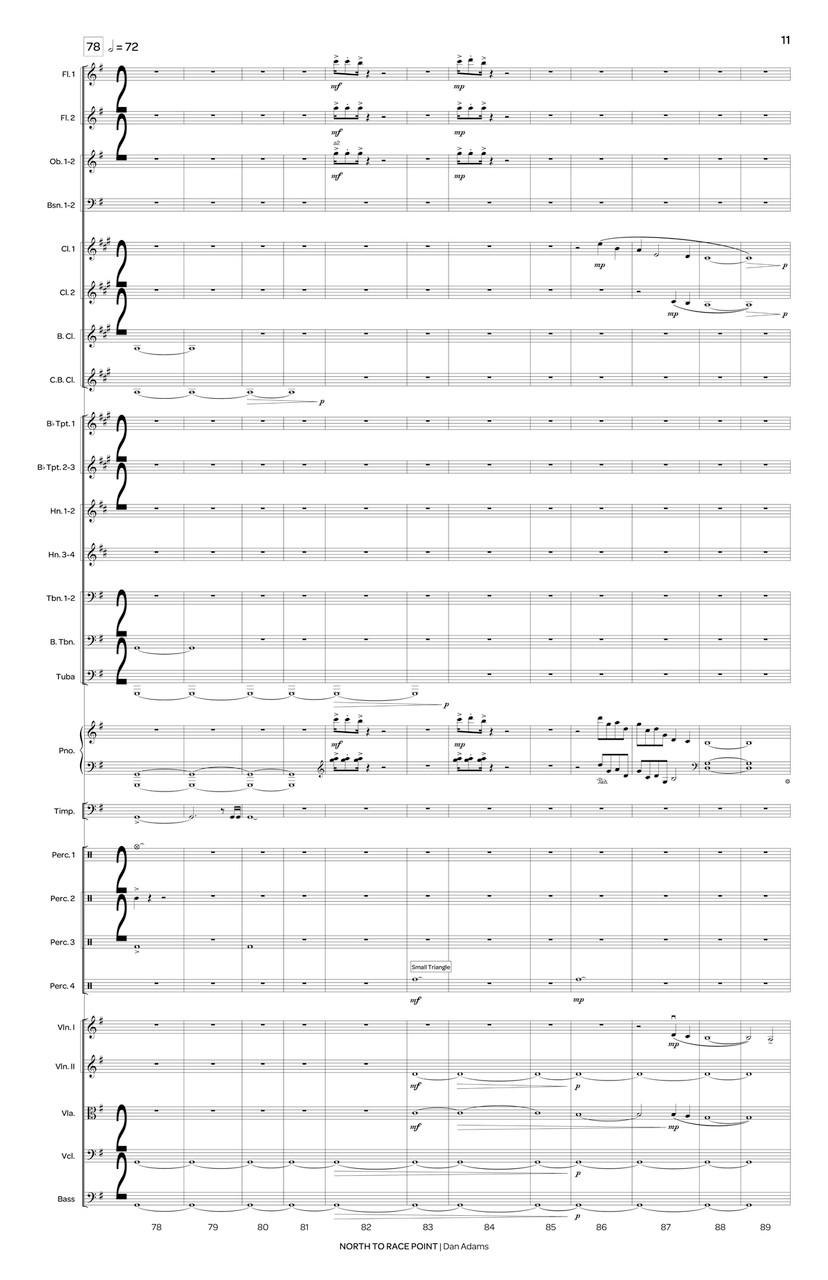
North to Race Point (Full Orchestra Gr. 5)
Genre: Full Orchestra
Series: Diamond Orchestra Series
# of Players: Standard
Level: 5 | Duration: 6:15
Publisher: C. Alan Publications | Copyright: 2024
Download mp3 | Click on images to left for score sample
Price:
$92.00
Item #:
33200
-
Notes & Instrumentation
North to Race Point is inspired by an exploration of the Cape Cod National Seashore. Traveling north from Chatham to Race Point, one discovers sandy beaches, verdant marshes, lighthouses, cranberry bogs, and most importantly, an appreciation of a rich habitat preserved for the last six decades.
Genre: Full Orchestra | # of Players: Standard
Series: Diamond Orchestra Series
Level: 5 | Duration: 6:15
Instrumentation
Conductor's Score (11"x17")
Flute 1
Flute 2
Oboe 1
Oboe 2
Bassoon 1
Bassoon 2
B-flat Clarinet 1
B-flat Clarinet 2
B-flat Bass Clarinet
B-flat Contrabass Clarinet
B-flat Trumpet 1 (C part included)
B-flat Trumpet 2 (C part included)
B-flat Trumpet 3 (C part included)
F Horn 1
F Horn 2
F Horn 3
F Horn 4
Trombone 1
Trombone 2
Bass Trombone
Tuba
Timpani (3 drums)
Percussion 1: Suspended Cymbal, Crash Cymbals
Percussion 2: Snare Drum
Percussion 3: Bass Drum
Percussion 4: Woodblock, Shaker, Triangle
Violin I
Violin II
Viola
Cello
Contrabass
Program Notes
A summer resident of Hyannis Port on Cape Cod, Massachusetts, President John F. Kennedy signed a bill on August 7, 1961 establishing the Cape Cod National Seashore. The National Park Service describes it as “pristine sandy beach, marshes, ponds, and uplands supporting diverse species, lighthouses, cultural landscapes, and wild cranberry bogs along 40 miles of the eastern coast of Cape Cod.” Henry David Thoreau described his walk up the eastern coast in his book “Cape Cod.” Standing on the beach surrounded by towering sand dunes, he stated, “A man may stand there and put all America behind him.” North To Race Point is inspired by an exploration of this stretch of the beautiful North Atlantic coastline. Traveling north from Chatham to Race Point, one discovers sandy beaches, verdant marshes, lighthouses, cranberry bogs, and most importantly, an appreciation of a rich habitat preserved for the last six decades. -
Product Reviews