- New!
- Band
- Percussion
- Orchestra
- Brass Band
- Jazz
- Chamber
- Voice

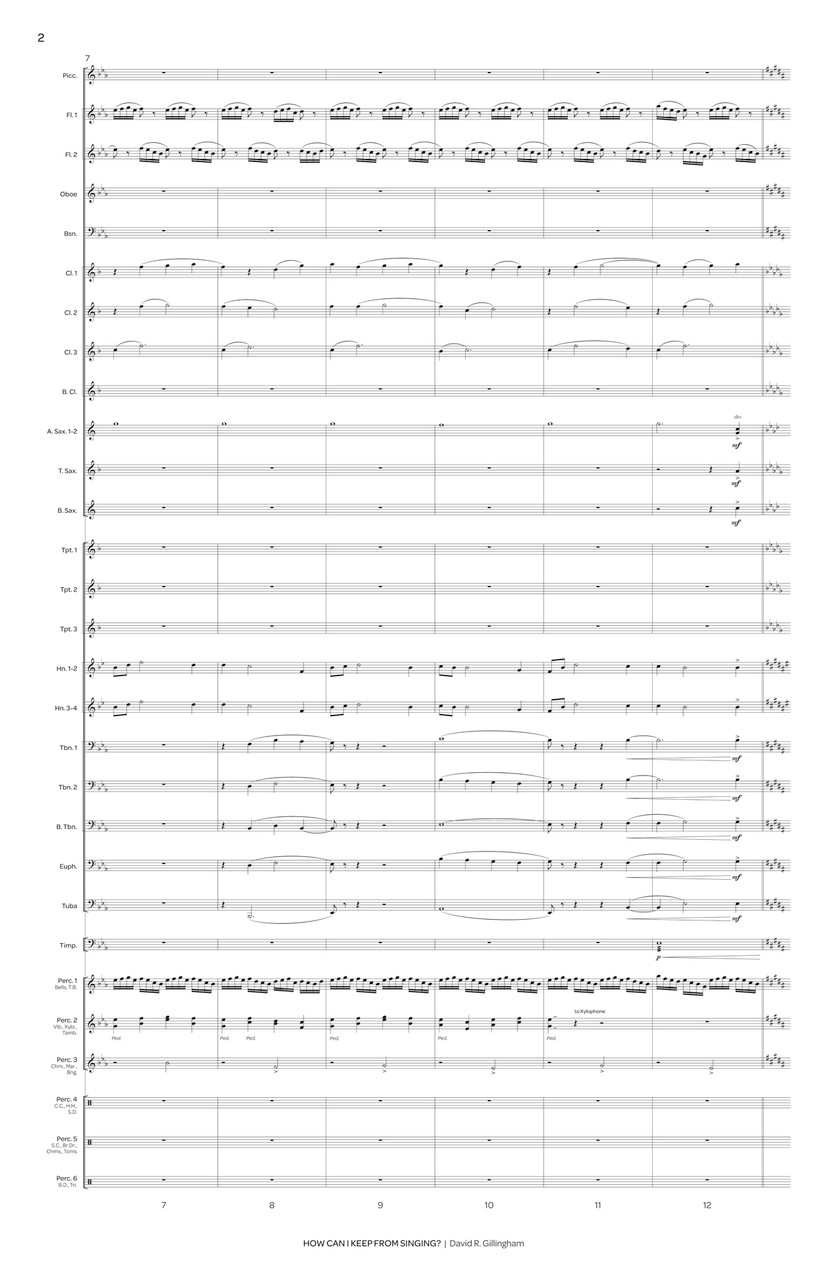
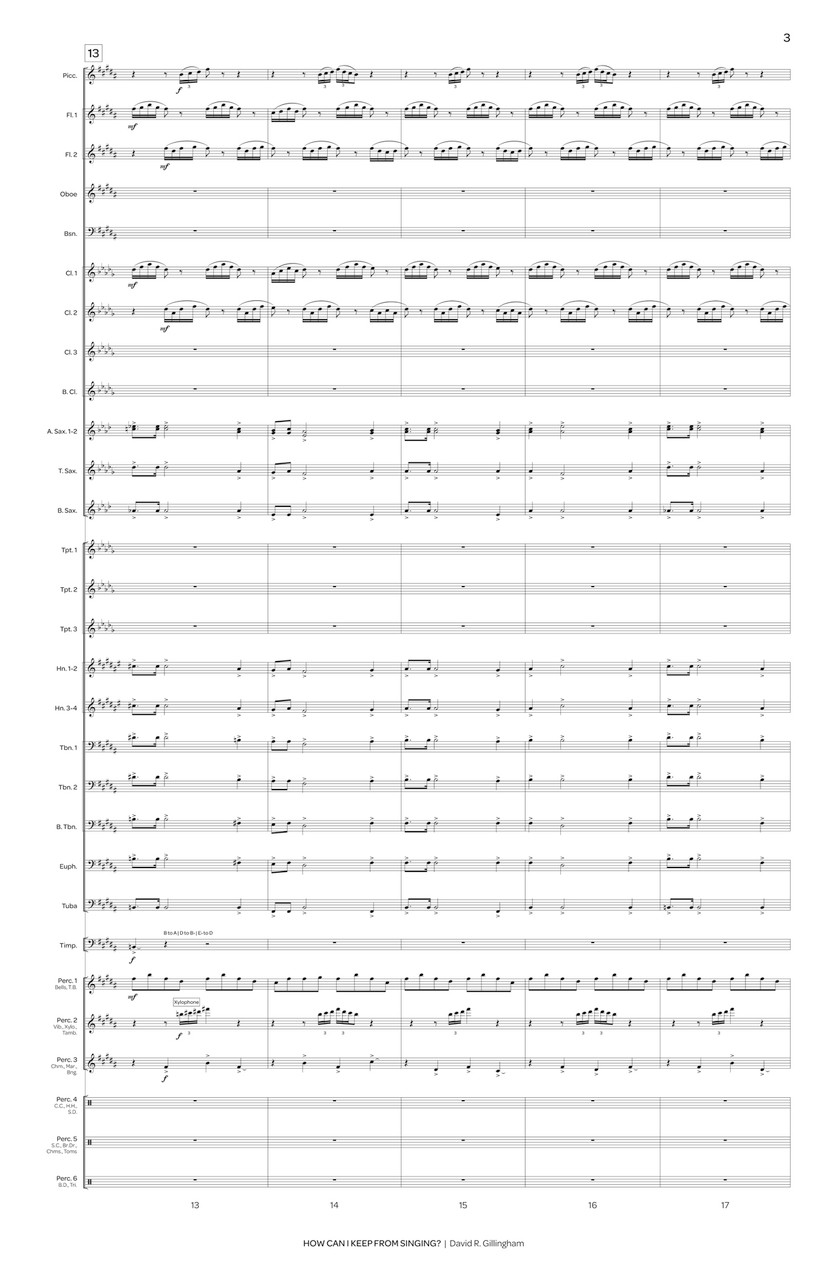
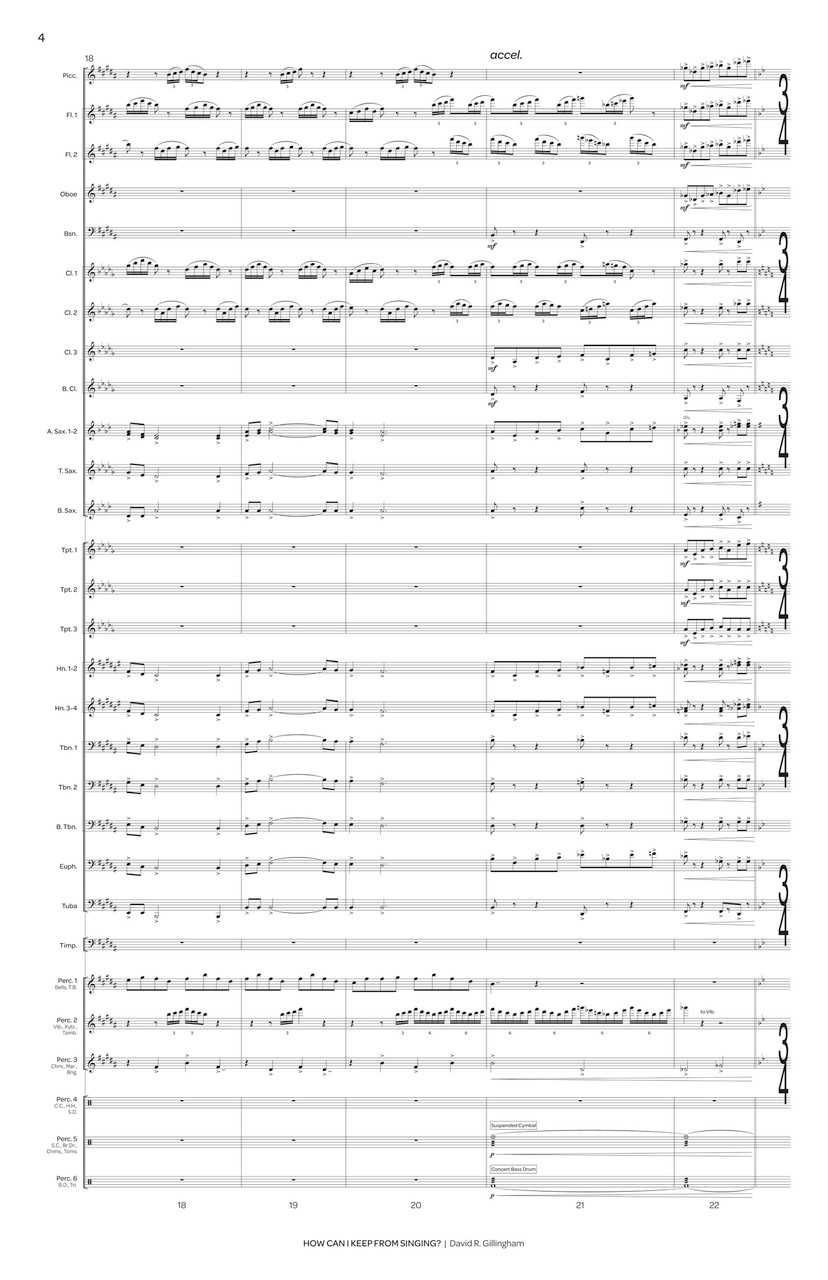
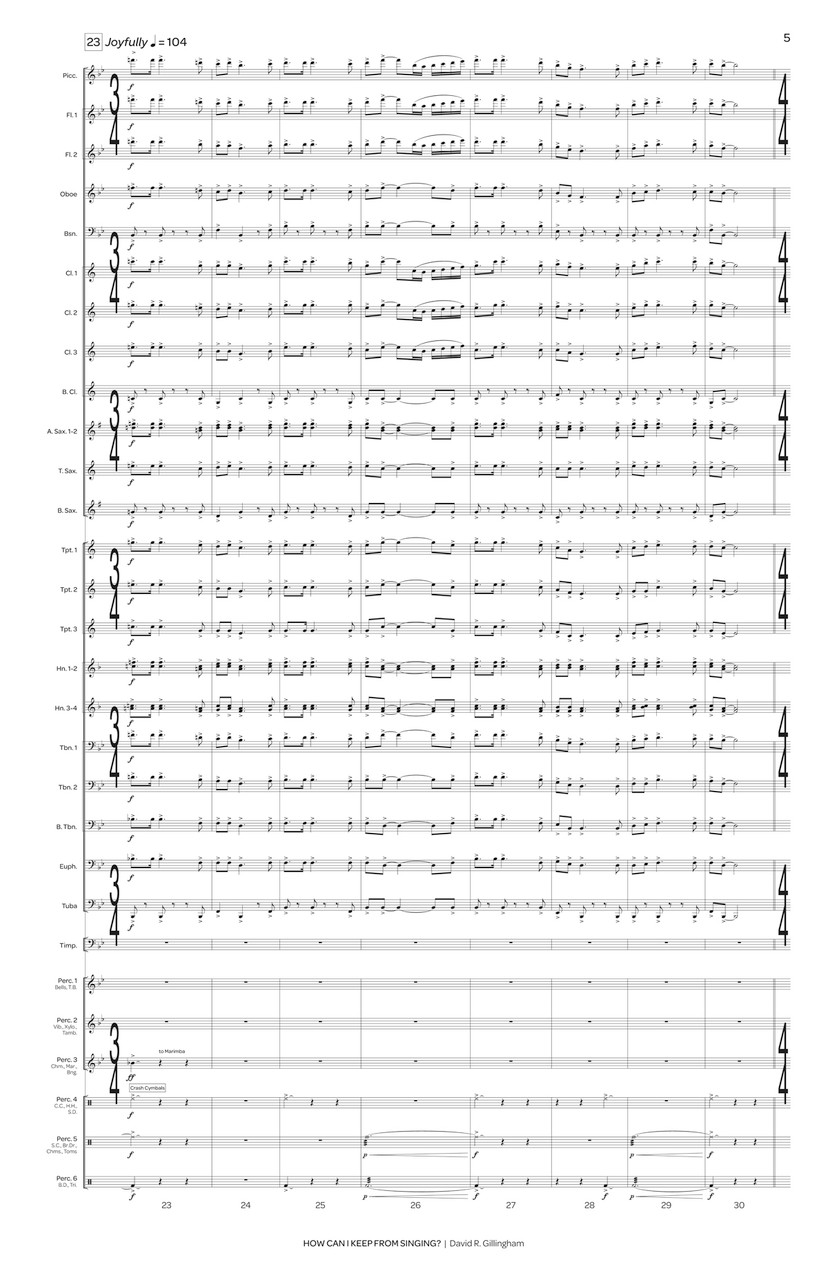
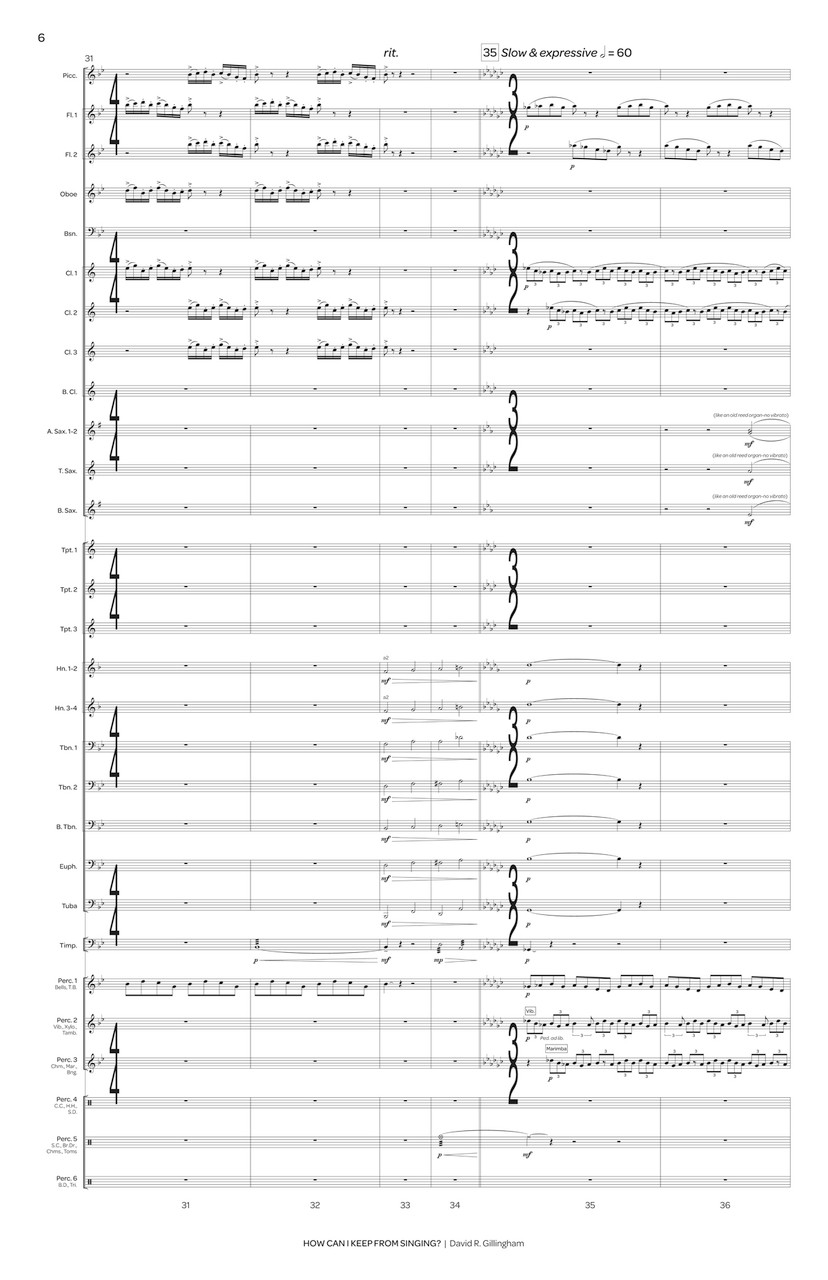
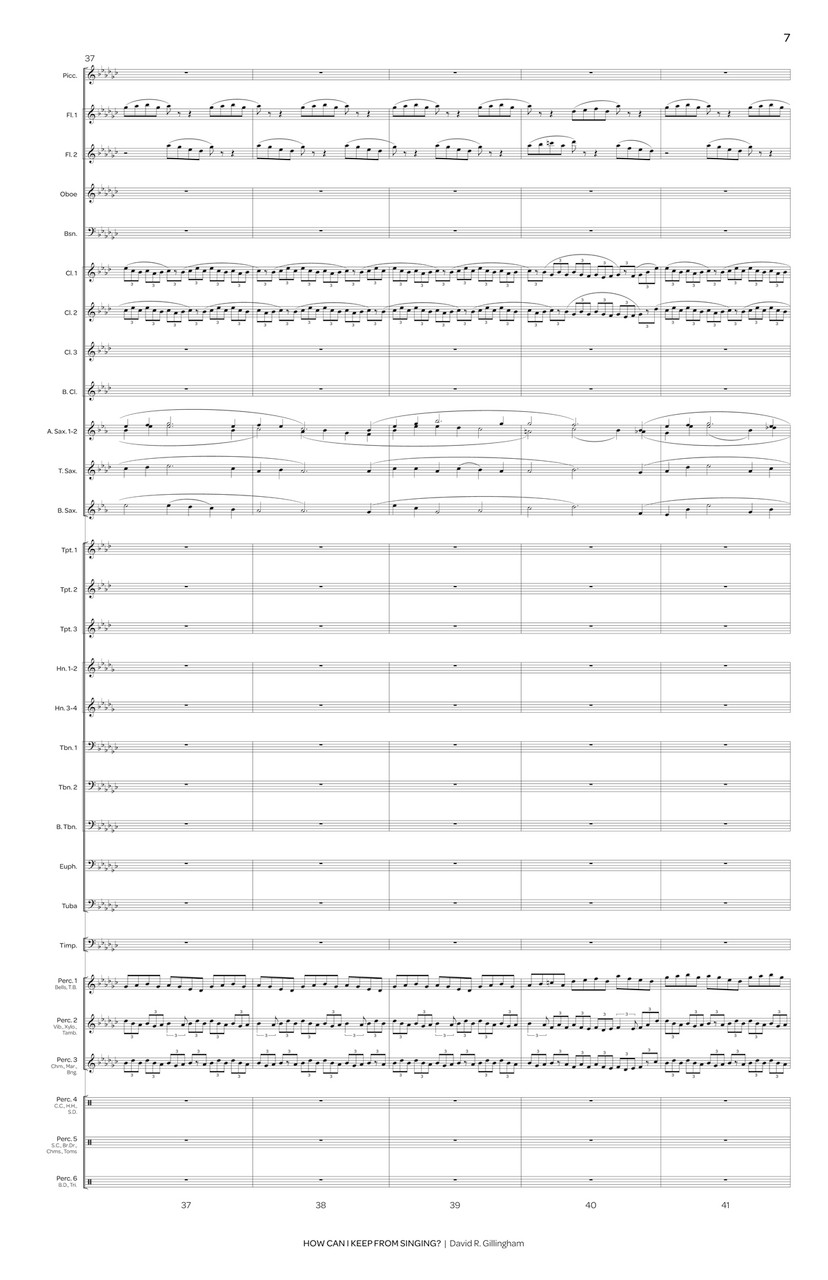
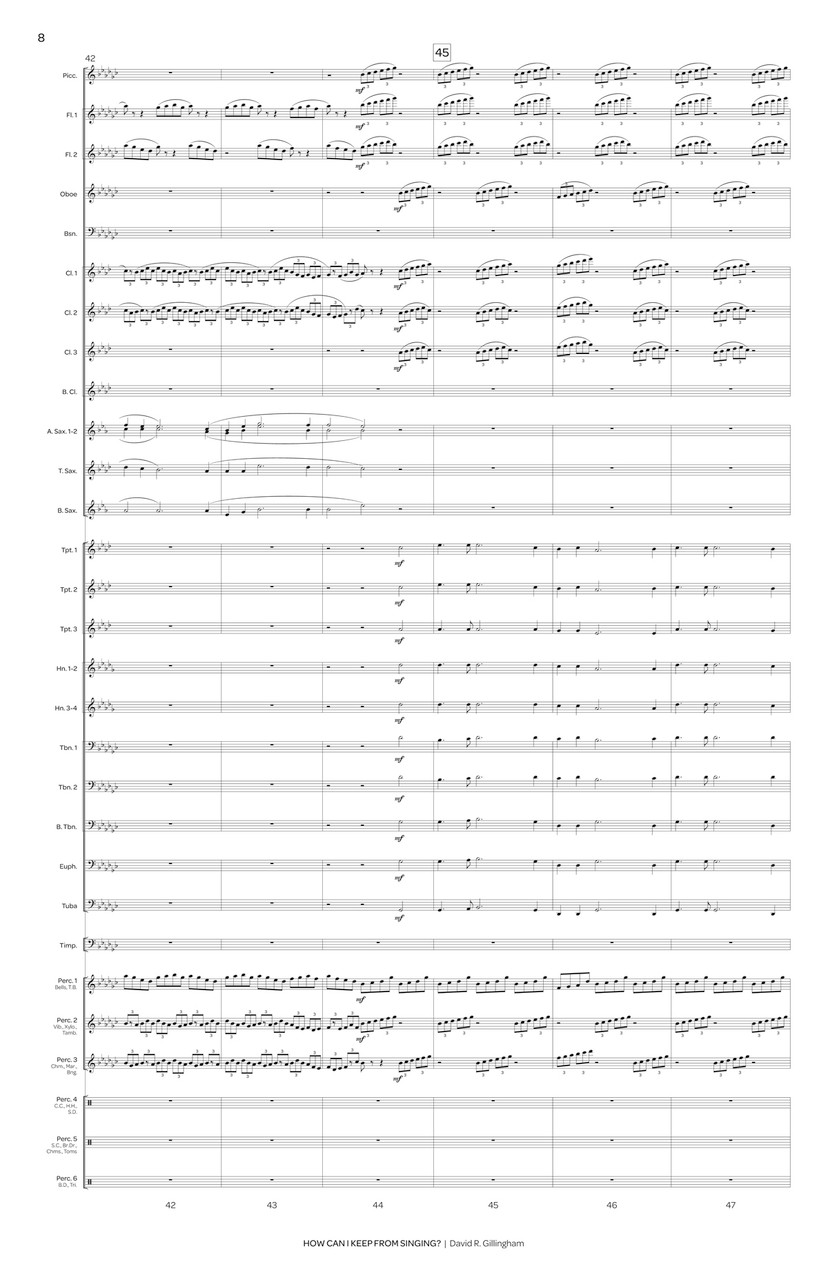
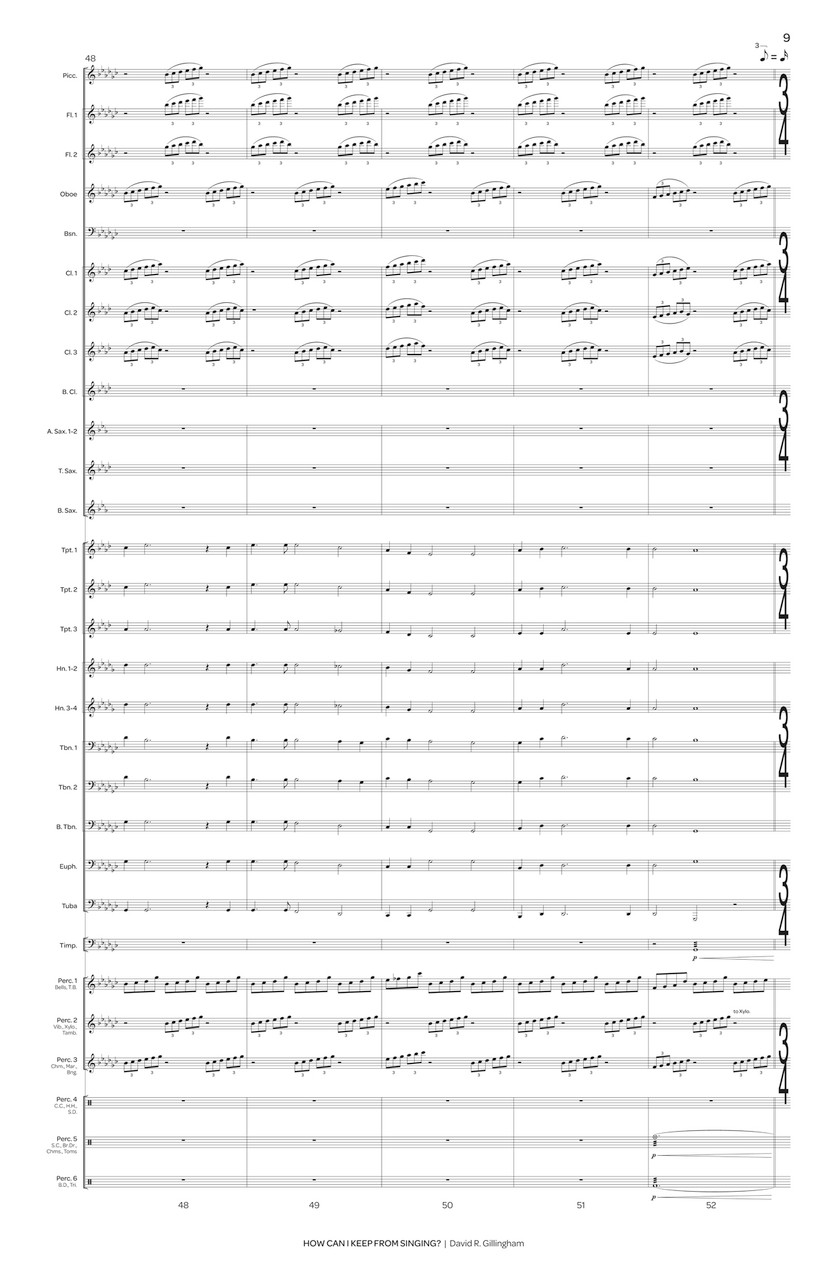
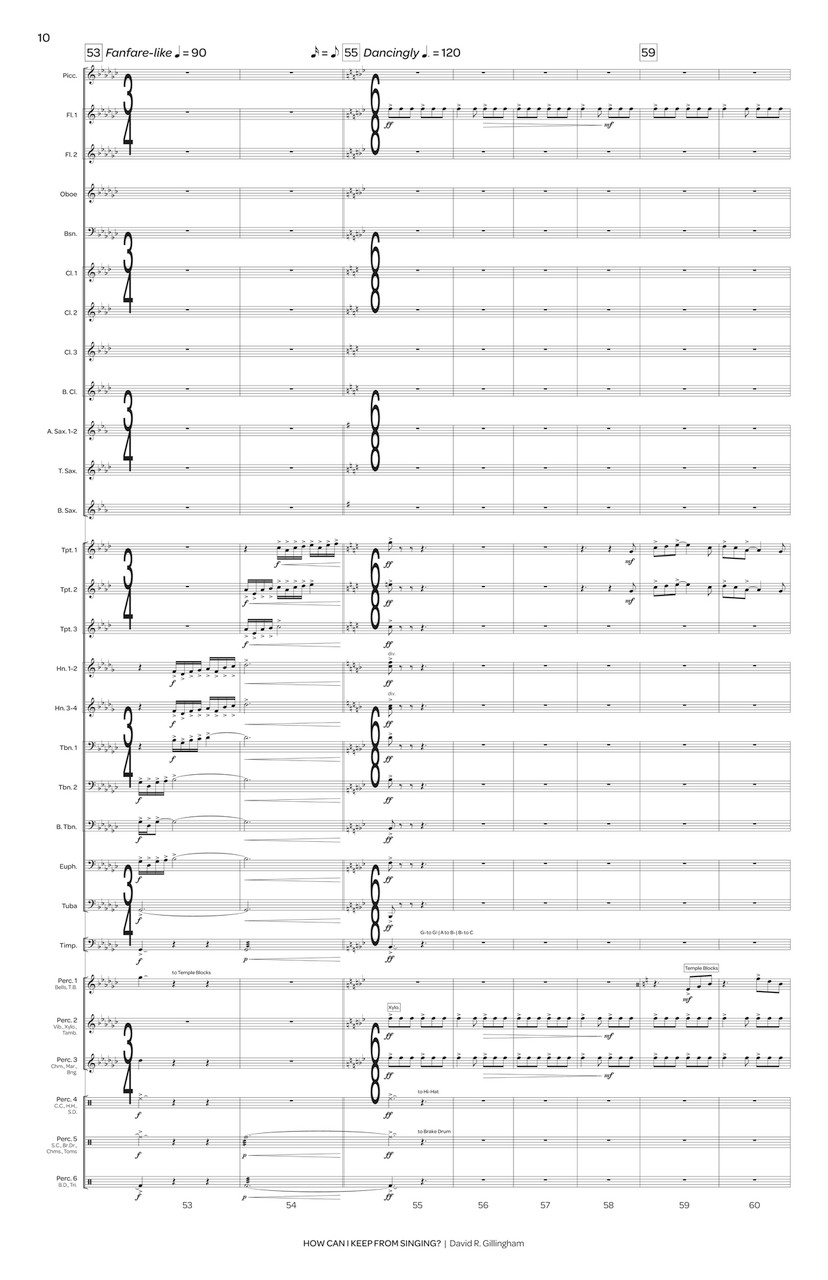
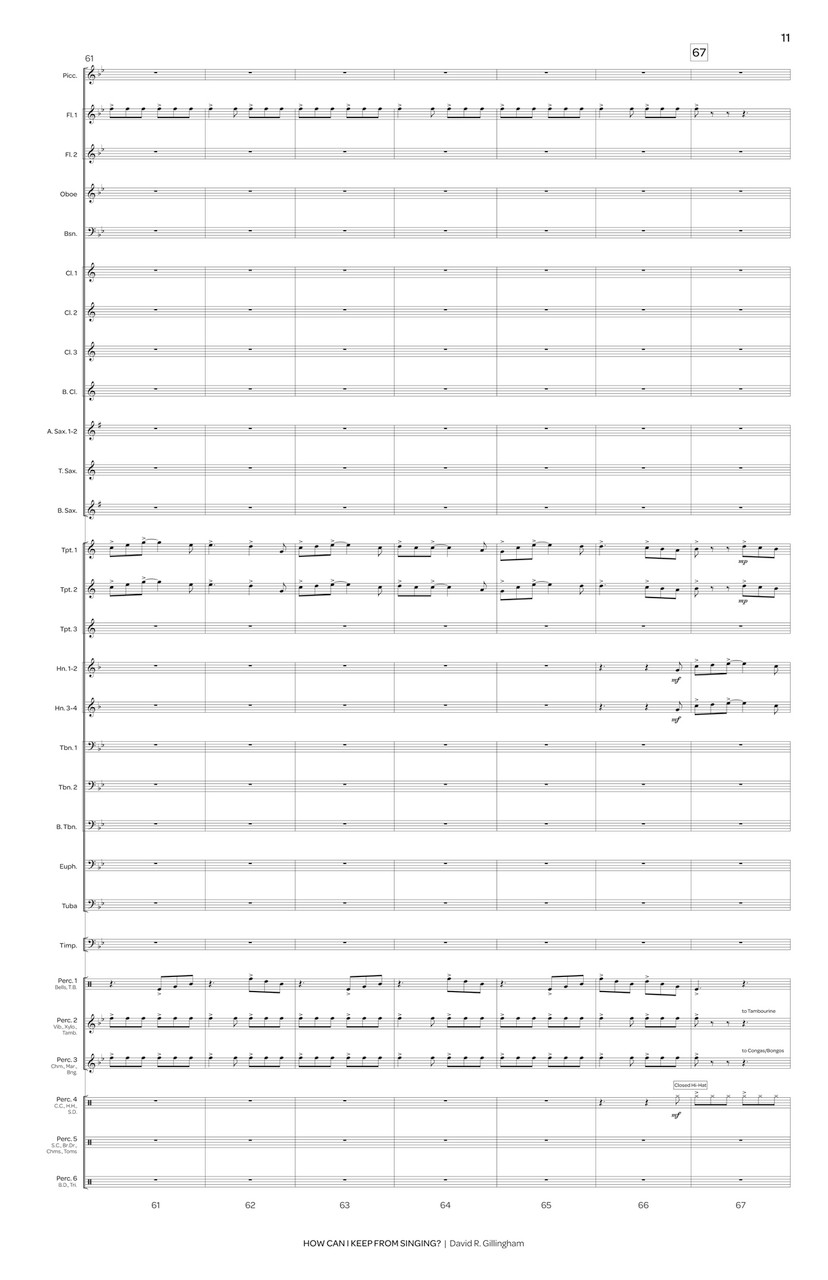
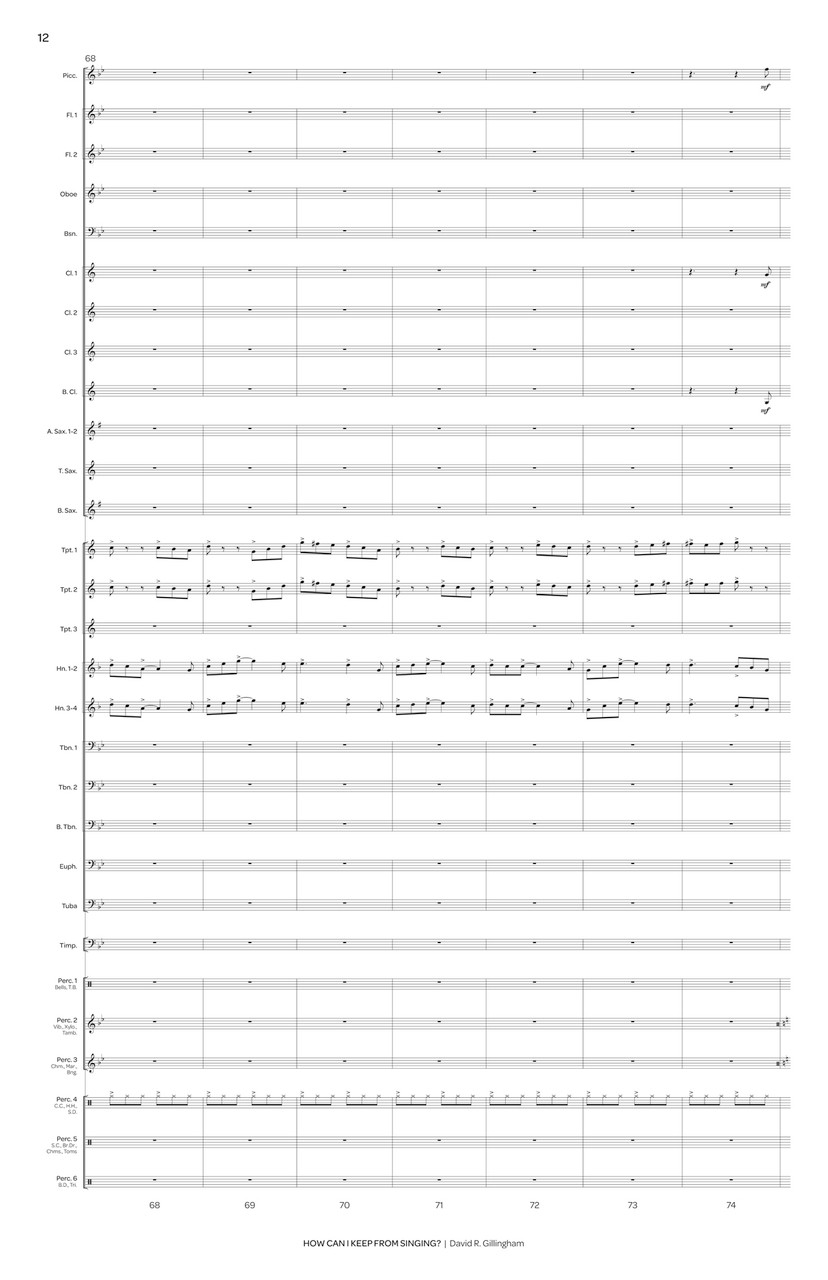

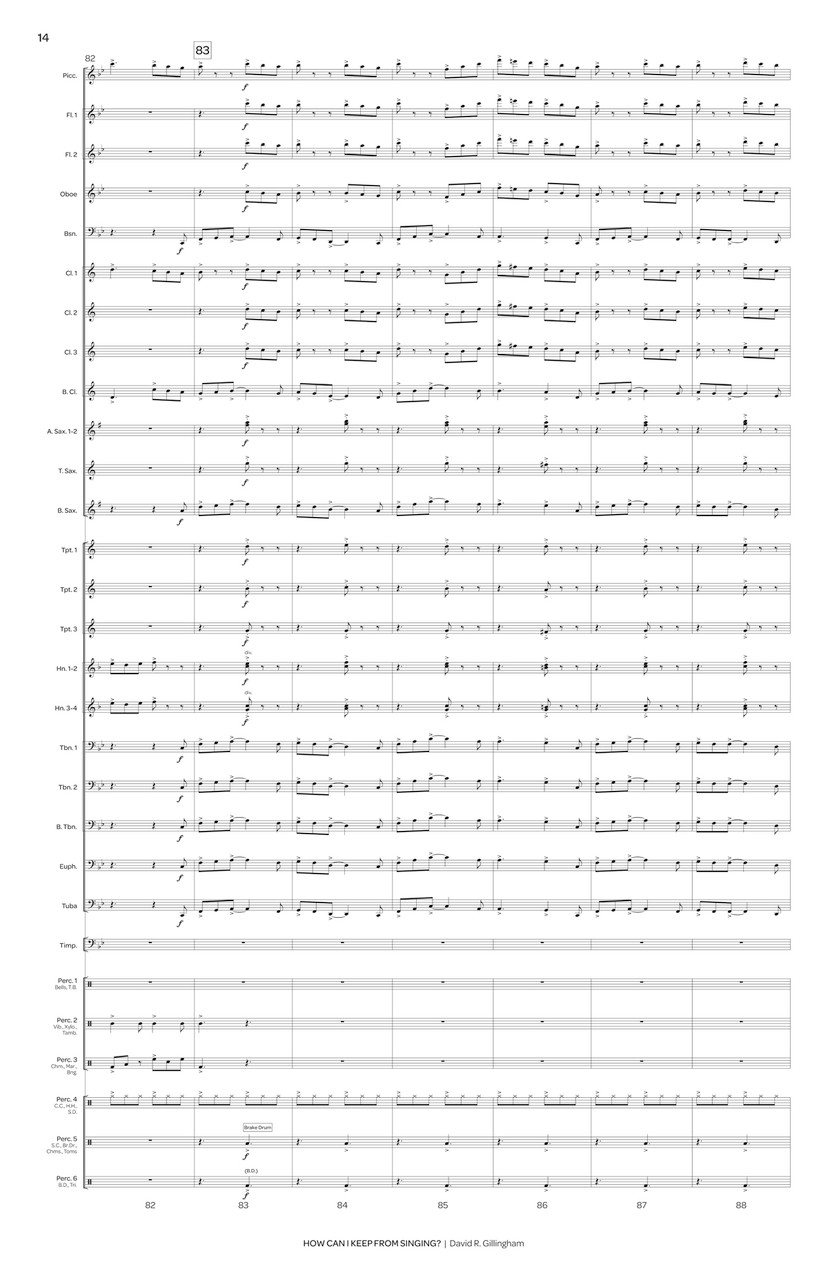
How Can I Keep from Singing? (Band Gr. 5)
Genre: Band
Series: Diamond Band Series
# of Players: Standard
Level: 5 | Duration: 6:05
Publisher: C. Alan Publications | Copyright: 2024
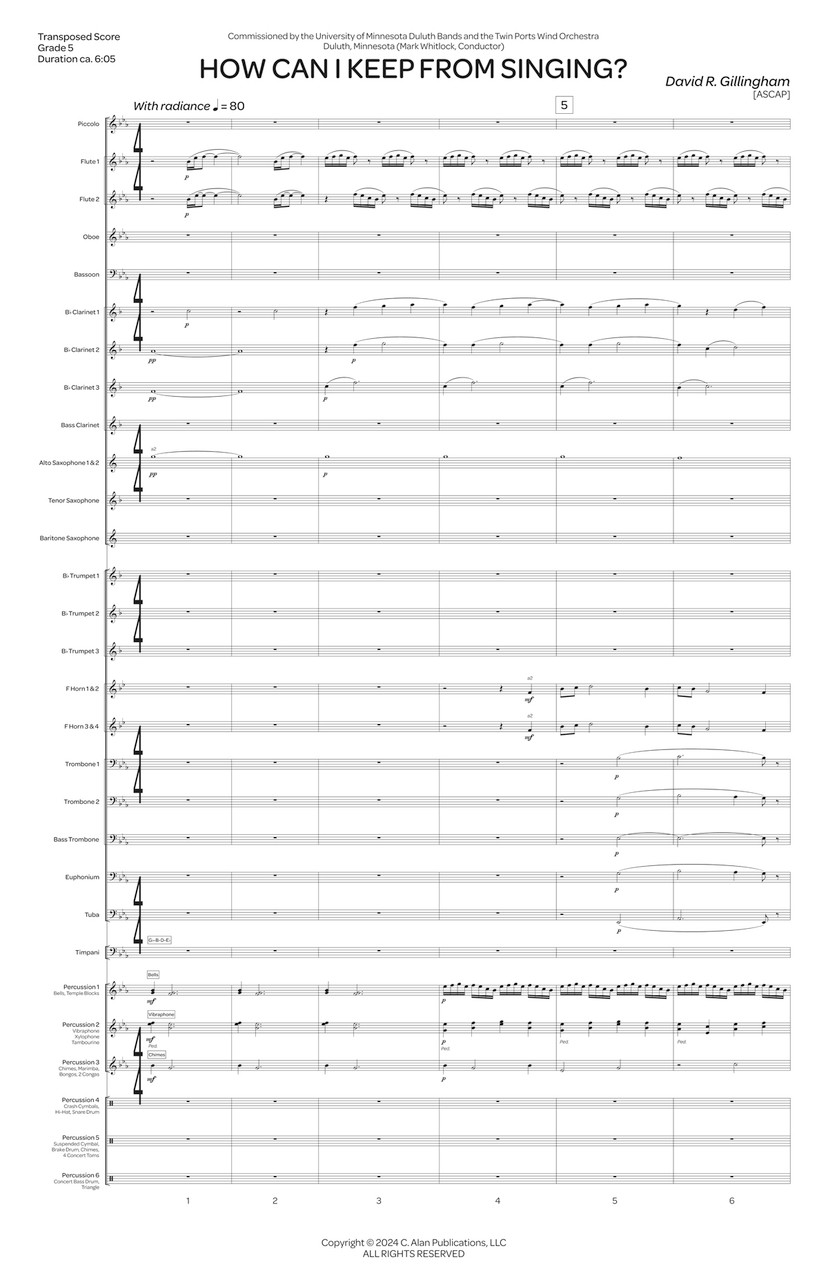
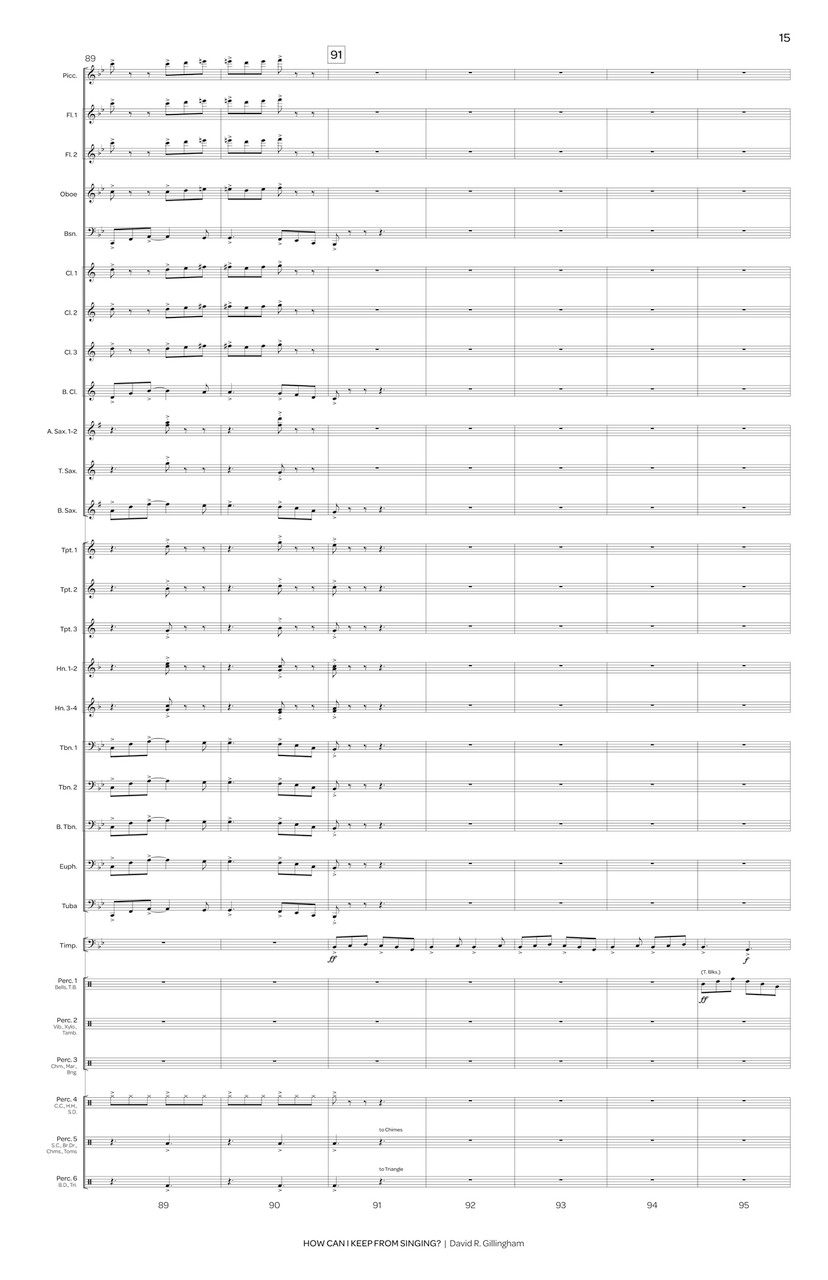
Download mp3 | Click on images to left for score sample
Price:
$120.00
Item #:
33390
-
Notes & Instrumentation
Based on the hymn of the same title, How Can I Keep from Singing? is both reflective and celebratory, honoring all the musicians who were silenced during the pandemic of 2020 and 2021. It is through their perseverance, spirit, and dedication that they were able to gather again, spreading joy and inspiration by sharing what they love to do with live audiences.
Genre: Band | # of Players: Standard
Series: Diamond Band Series
Level: 5 | Duration: 6:05
Instrumentation
Conductor's Score (11x17)
Piccolo
Flute 1
Flute 2
Oboe
Bassoon
B-flat Clarinet 1
B-flat Clarinet 2
B-flat Clarinet 3
Bass Clarinet
Alto Saxophone 1
Alto Saxophone 2
Tenor Saxophone
Baritone Saxophone
B-flat Trumpet 1
B-flat Trumpet 2
B-flat Trumpet 3
F Horn 1
F Horn 2
F Horn 3
F Horn 4
Trombone 1
Trombone 2
Bass Trombone
Euphonium
B-flat Baritone T.C.
Tuba
Timpani (4 drums)
Percussion 1: Bells, Temple Blocks
Percussion 2: Vibraphone, Xylophone, Tambourine
Percussion 3: Chimes, Marimba, Bongos, 2 Congas
Percussion 4: Crash Cymbals, Hi-Hat, Snare Drum
Percussion 5: Suspended Cymbal, Brake Drum, Chimes, 4 Concert Toms
Percussion 6: Concert Bass Drum, Triangle
Program Notes
How Can I Keep From Singing? is based on the old hymn by Robert Lowry (1860) by the same name. The work utilizes the hymn in both a reflective and a celebratory way, as it has been treated traditionally throughout history. Though usually set in triple meter, it has also been set in duple or quadruple meter, making its performance quite flexible. The work begins with a backdrop of keyboard percussion and woodwinds giving rise to the first two phrases of the hymn played by the horns in E-flat major. A modulation leads to the last two phrases (which are like a refrain) in B major by the horns and low brass. Another modulation follows, and the refrain is repeated in a tour de force by the entire ensemble. A short transition leads to D-flat major and the saxophone quartet plays the first half of the hymn accompanied by bells, marimba, vibraphone, flutes, and clarinets in triplet against duplet patterns. The saxophone quartet alludes to the old church "pump organ" which was a prominent feature of small rural churches in the early 20th century where the hymn was often played and sung. The brass follow with the refrain of the hymn. A short brass fanfare ensues and leads back to B-flat major and a fast tempo in 6/8 meter. Beginning with the trumpets, a fugal subject, based on the first two phrases of the hymn, state a 4-part fugue. The horns answer followed by the subject in the piccolo, clarinet, and bass clarinet. Finally, the last answer is taken up by the low brass and woodwinds. Then, the percussion continue the fugal fun beginning with the timpani imitated by the temple blocks and bongos. The parts then transition to stretto imitation with the chimes stating the subject. A transition follows with the woodwinds and brass imitating back and forth on the subject motive and eventually modulating to C major. In the great key of C major, the woodwinds and keyboard percussion continue a version of the subject while there is a grand entrance of the hymn in hemiola by the horns and low brass (i.e. meter of 2 against 3). Still yet, another modulation ensues to A-flat major where, as heard earlier, the refrain is played tour de force by the entire ensemble. A short percussion interlude leads to F major and a slower tempo where the refrain is sung by the ensemble accompanied by keyboard percussion and flutes in canon on the hymn motive in diminution. A coda follows in a faster tempo leading the work to a rousing and celebratory conclusion in C major.Commissioned by the University of Minnesota Duluth Bands and the Twin Ports Wind Orchestra, (Mark Whitlock, Conductor), How Can I Keep from Singing? honors all the musicians who have been silenced during the long pandemic of 2020 and 2021. It is through their perseverance, spirit, and dedication that they will gather again spreading joy and inspiration by sharing what they love to do with live audiences.
-
Product Reviews