- New!
- Band
- Percussion
- Orchestra
- Brass Band
- Jazz
- Chamber
- Voice
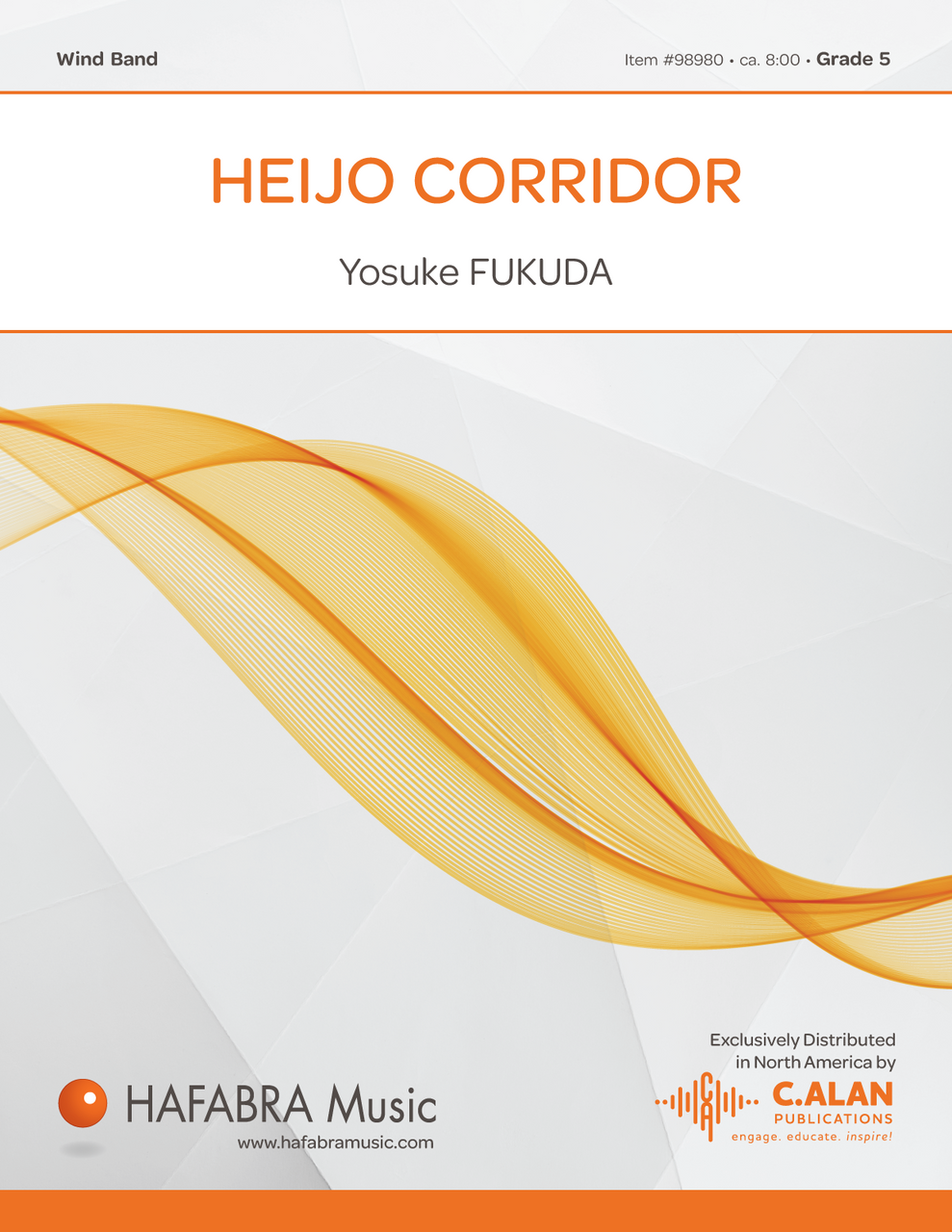
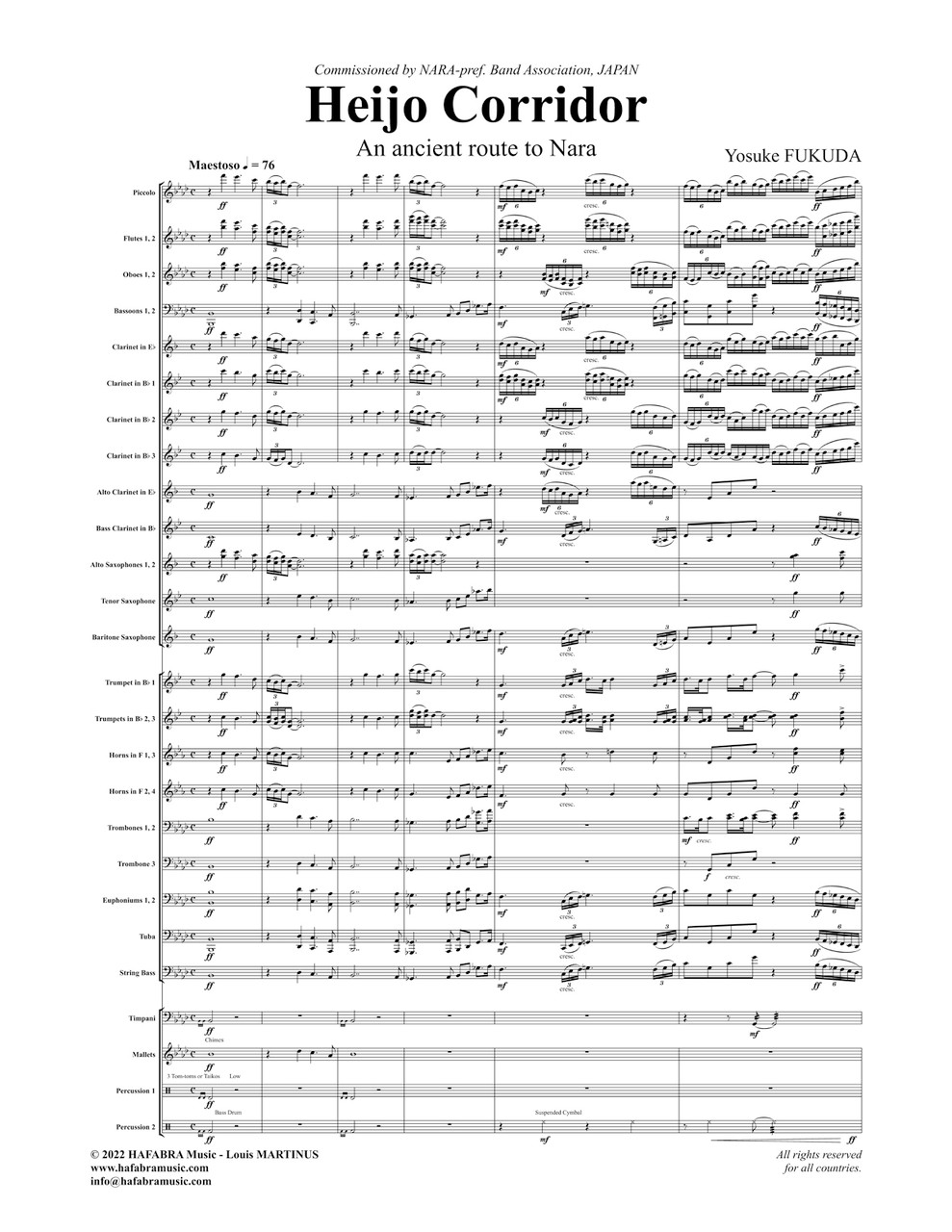
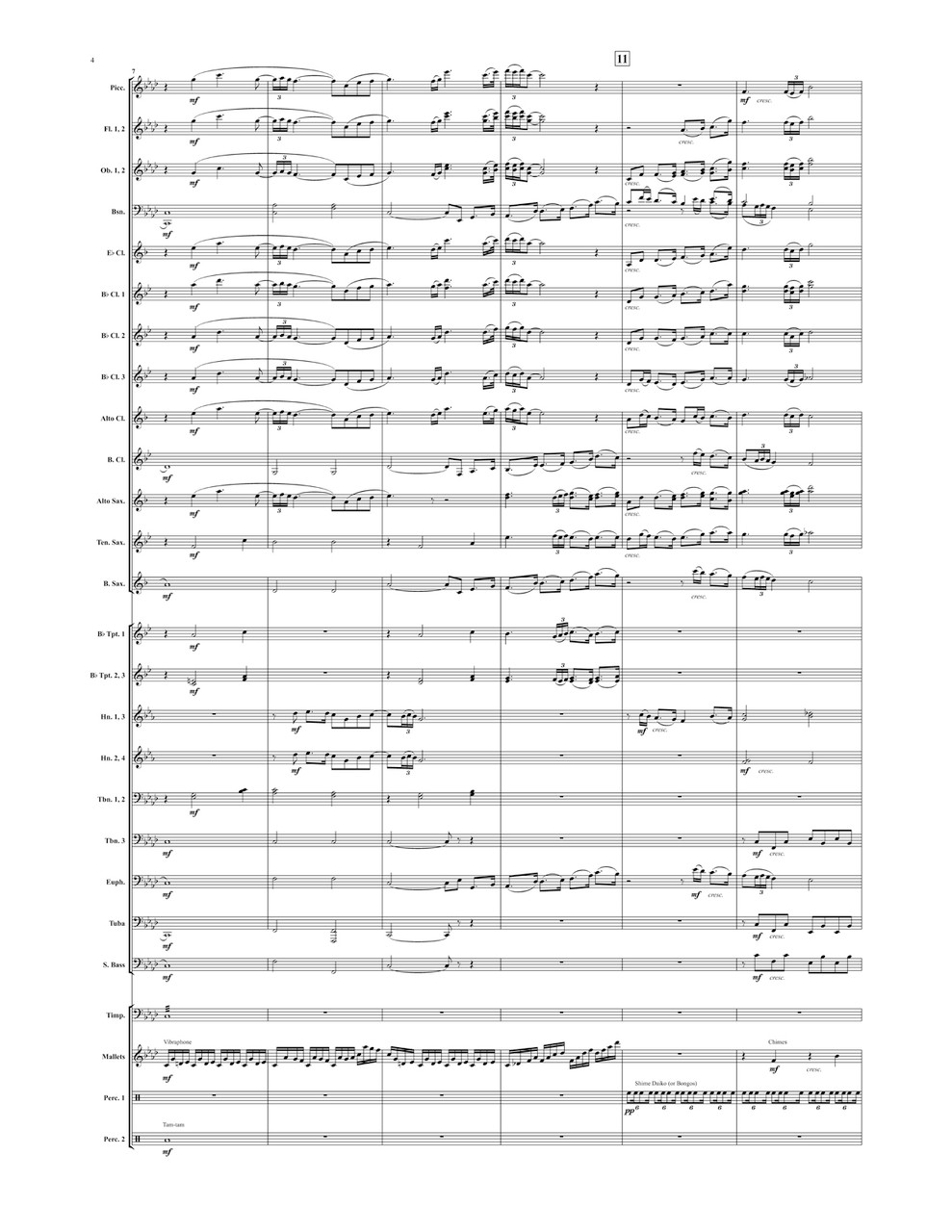
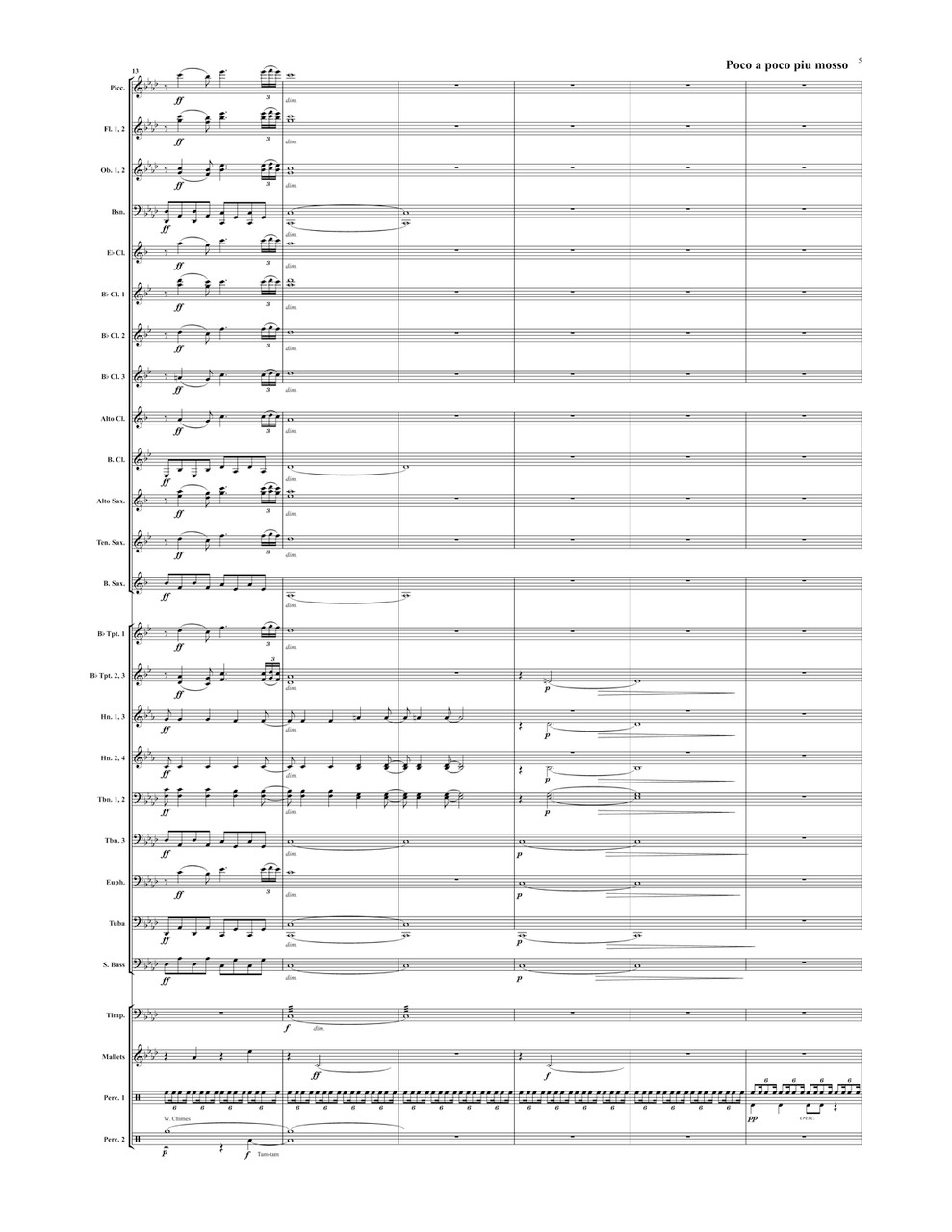
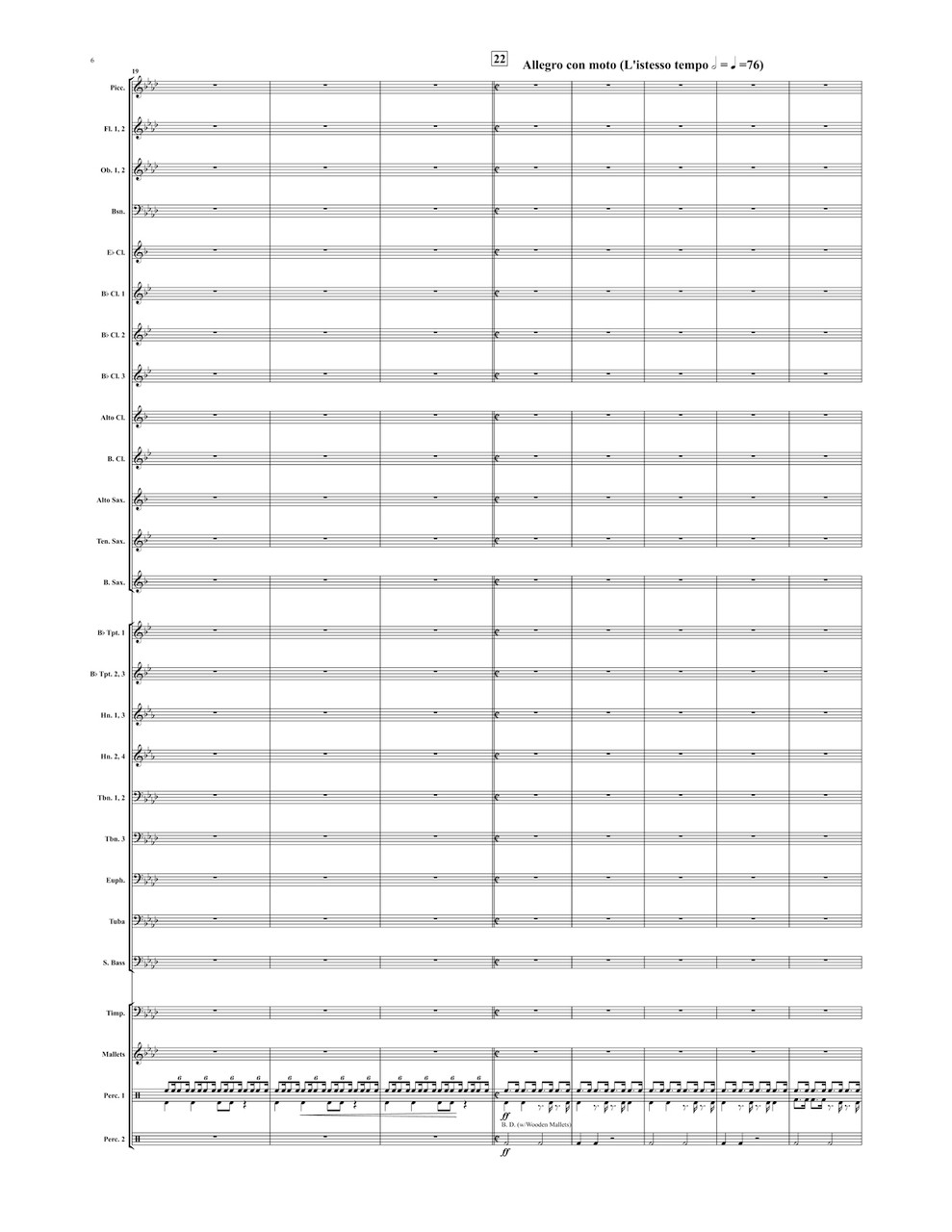
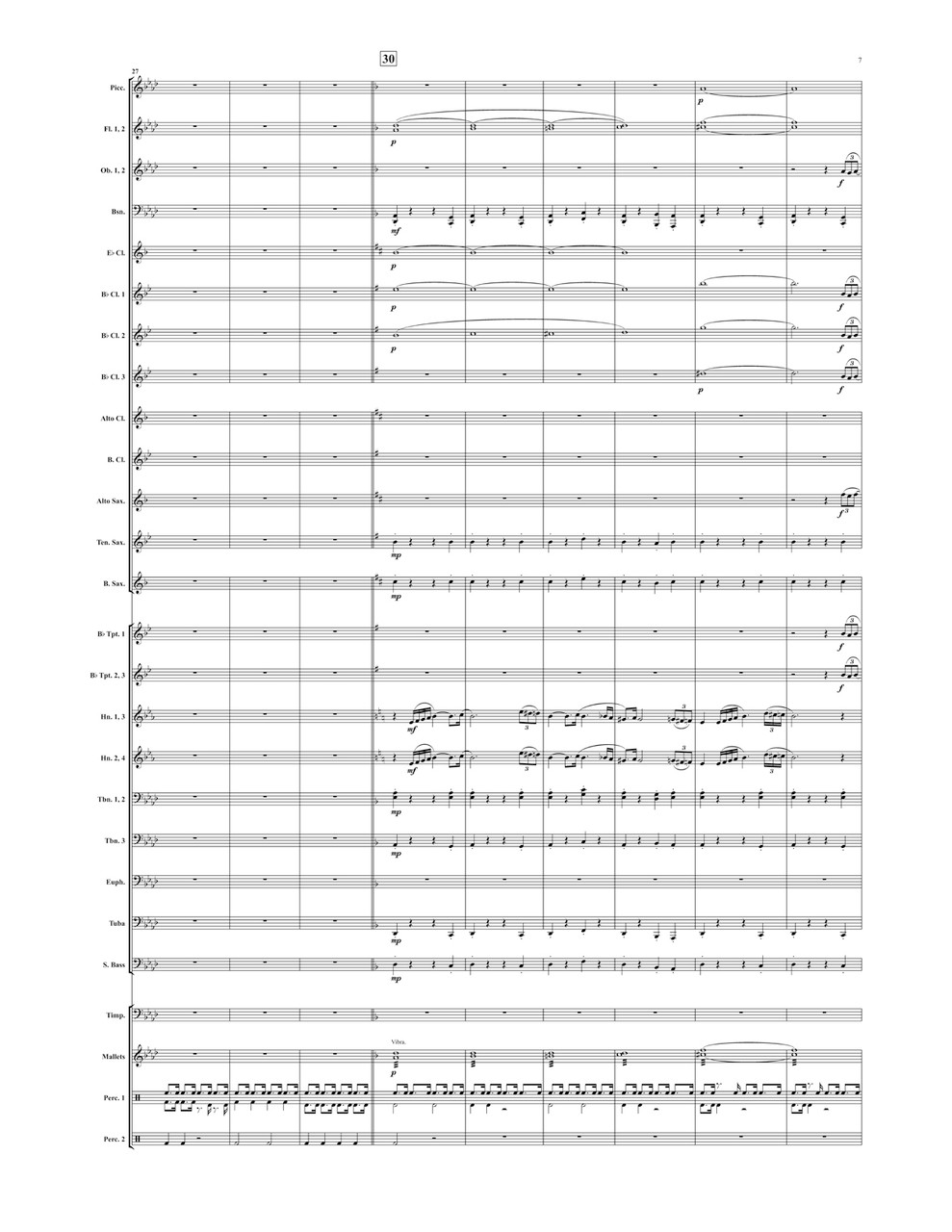


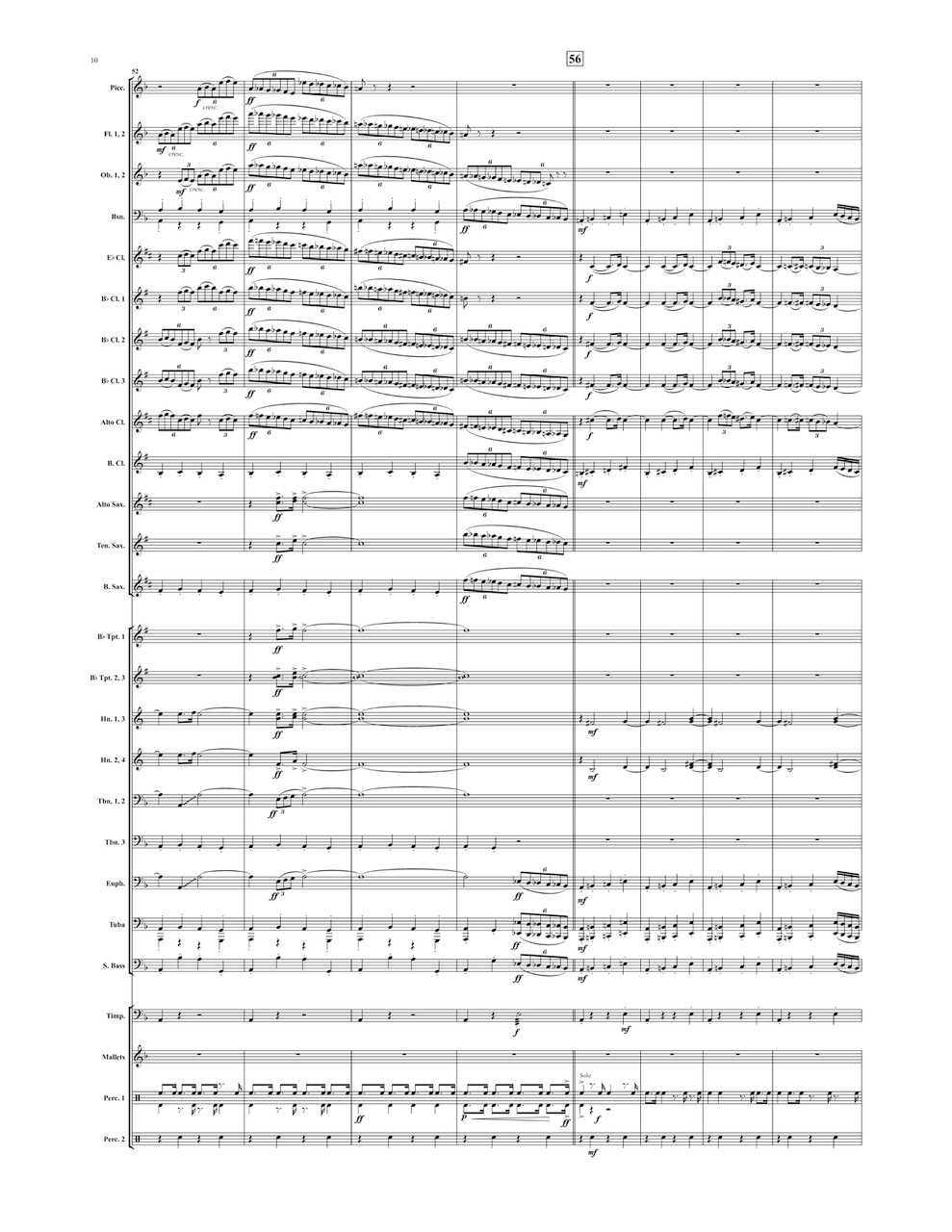
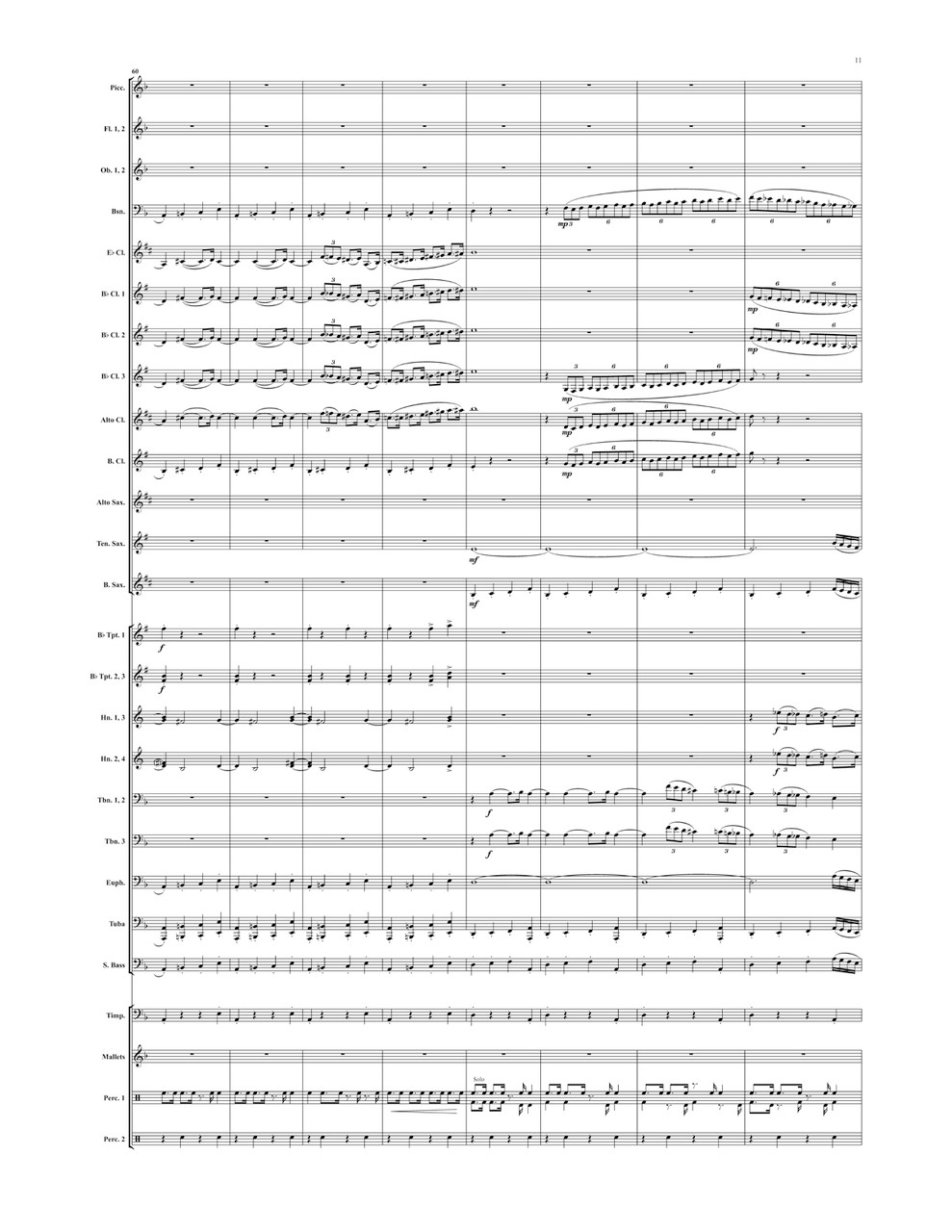
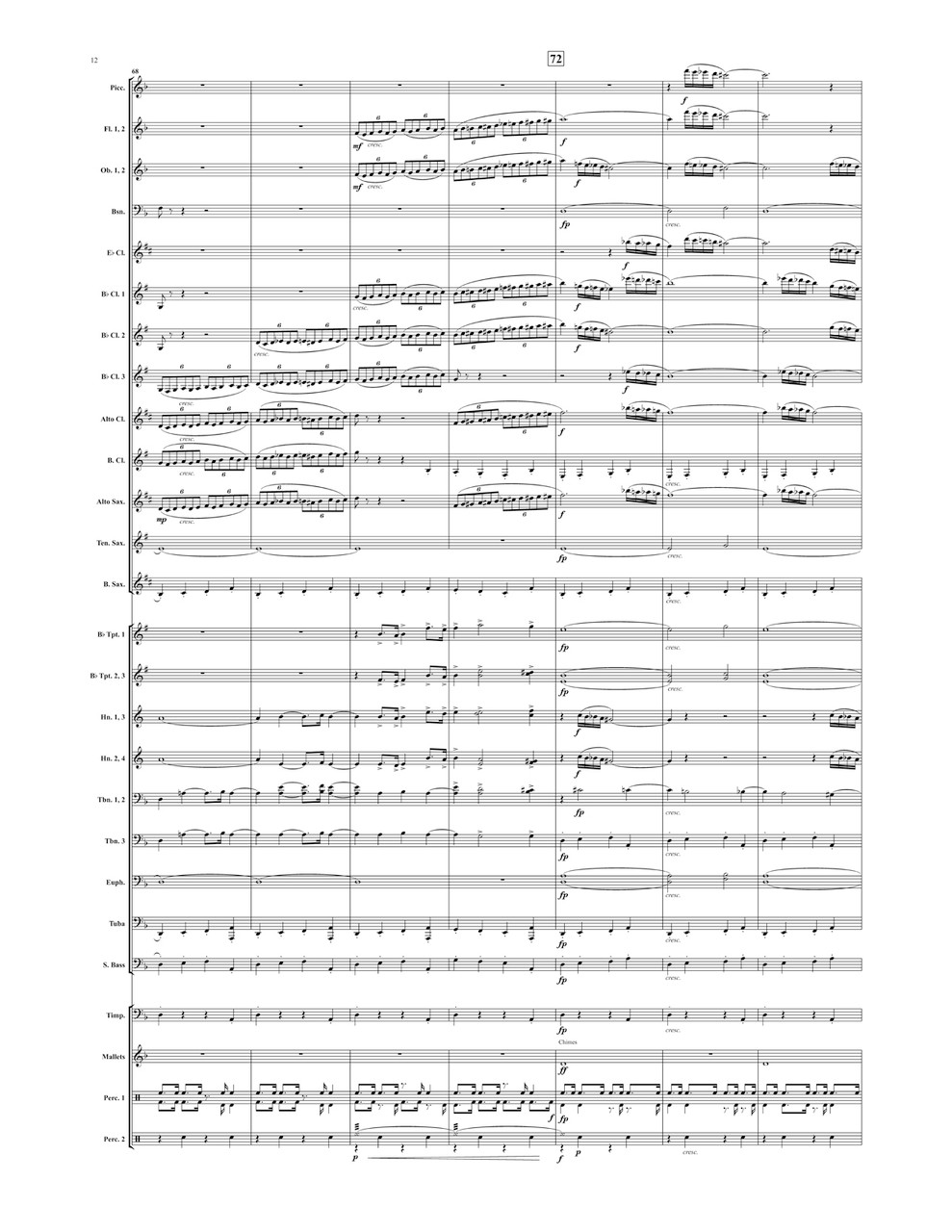
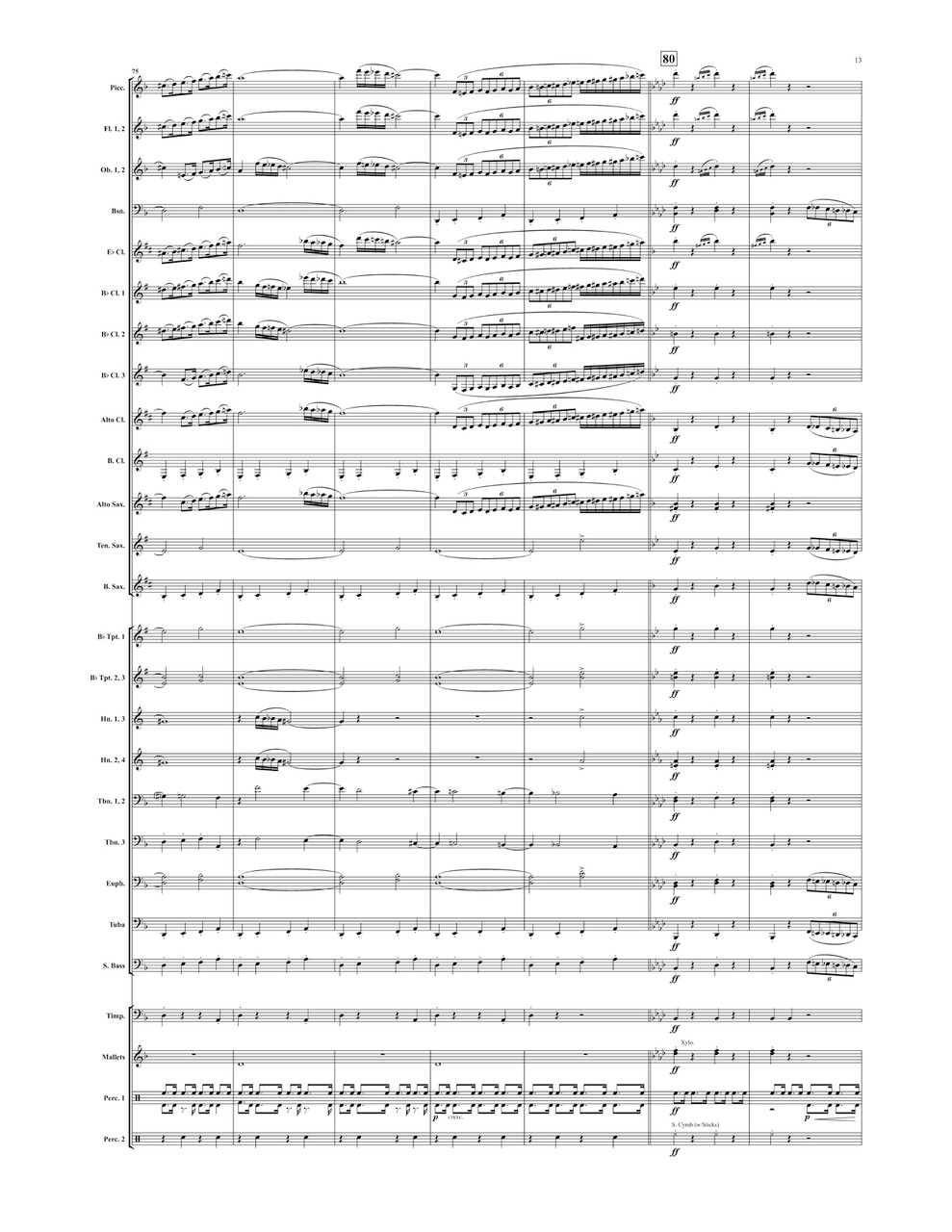
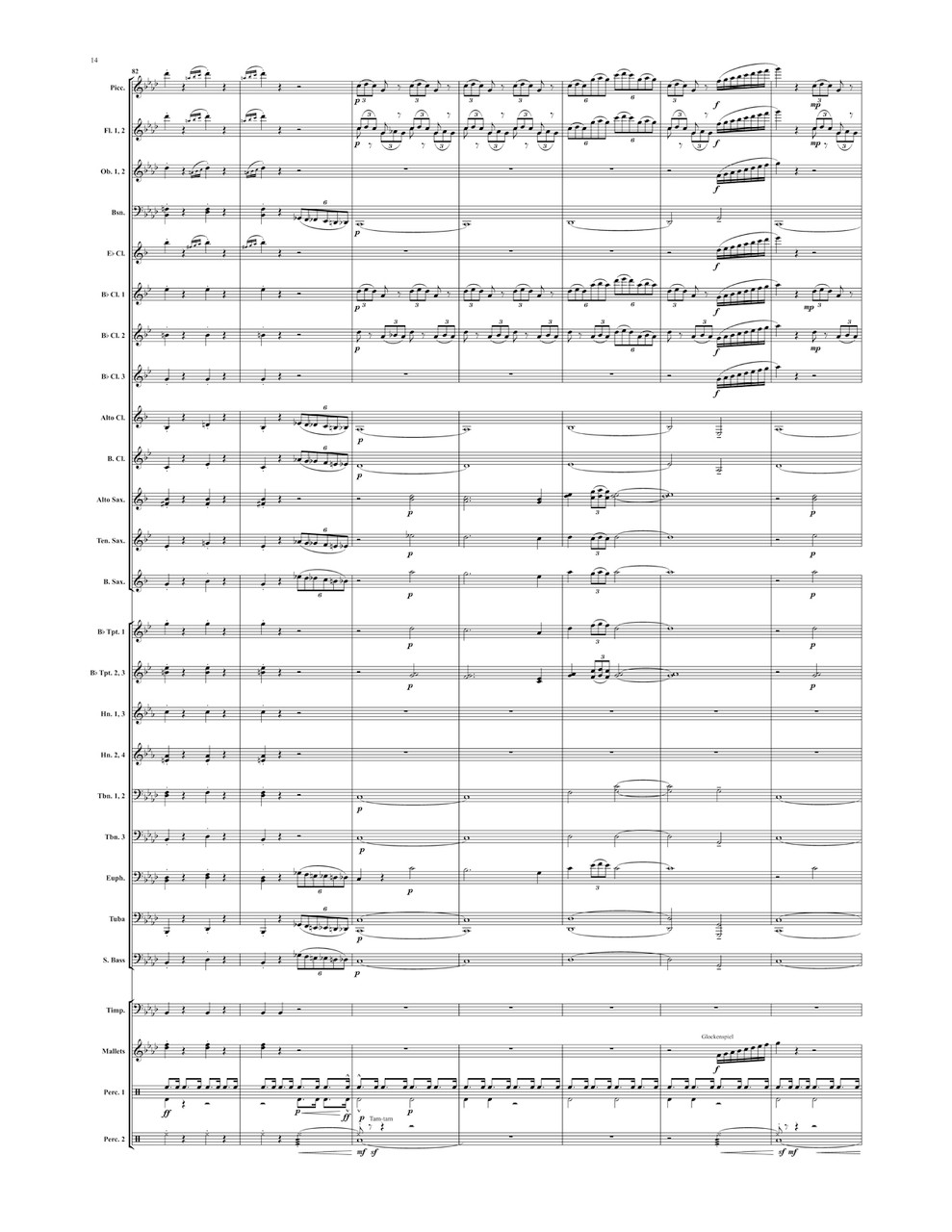
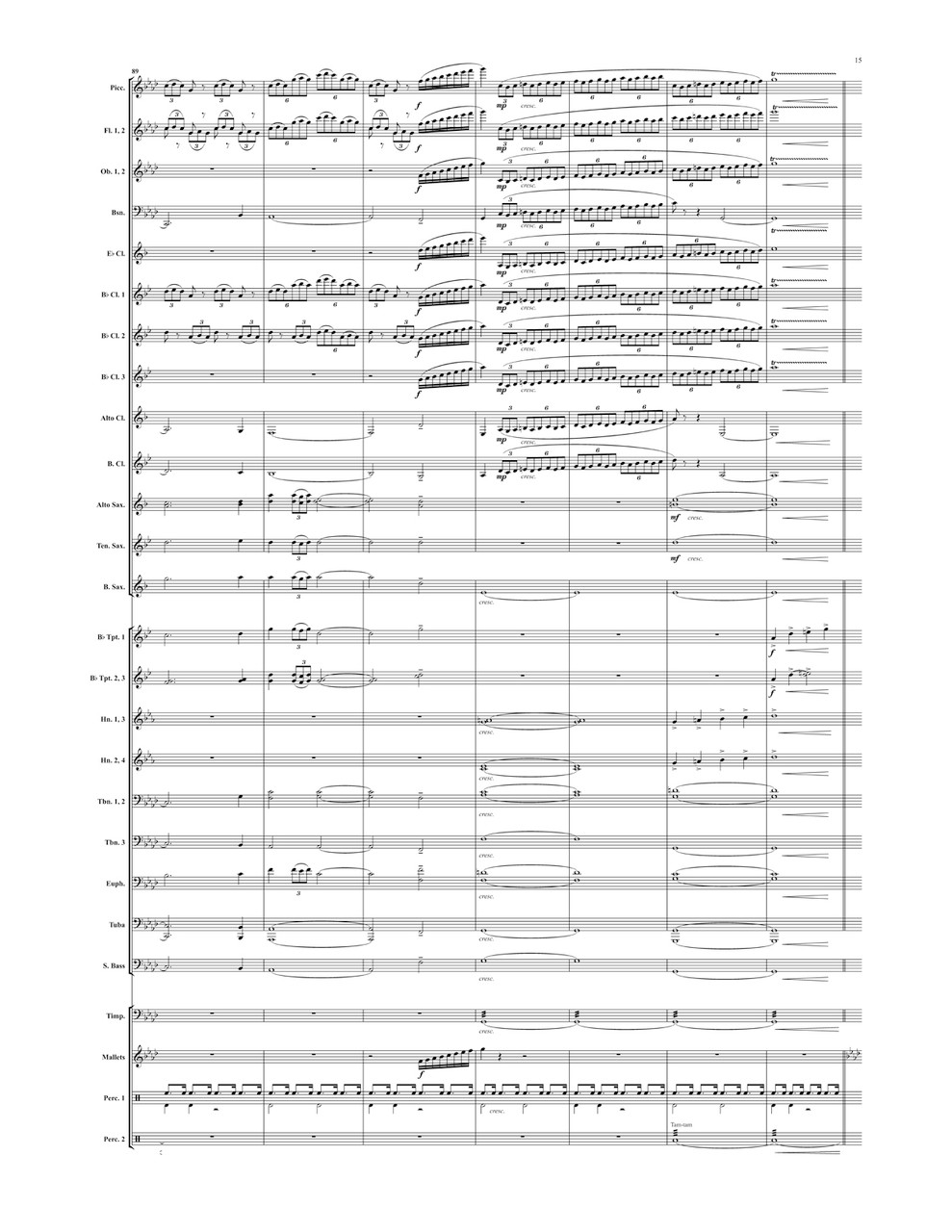
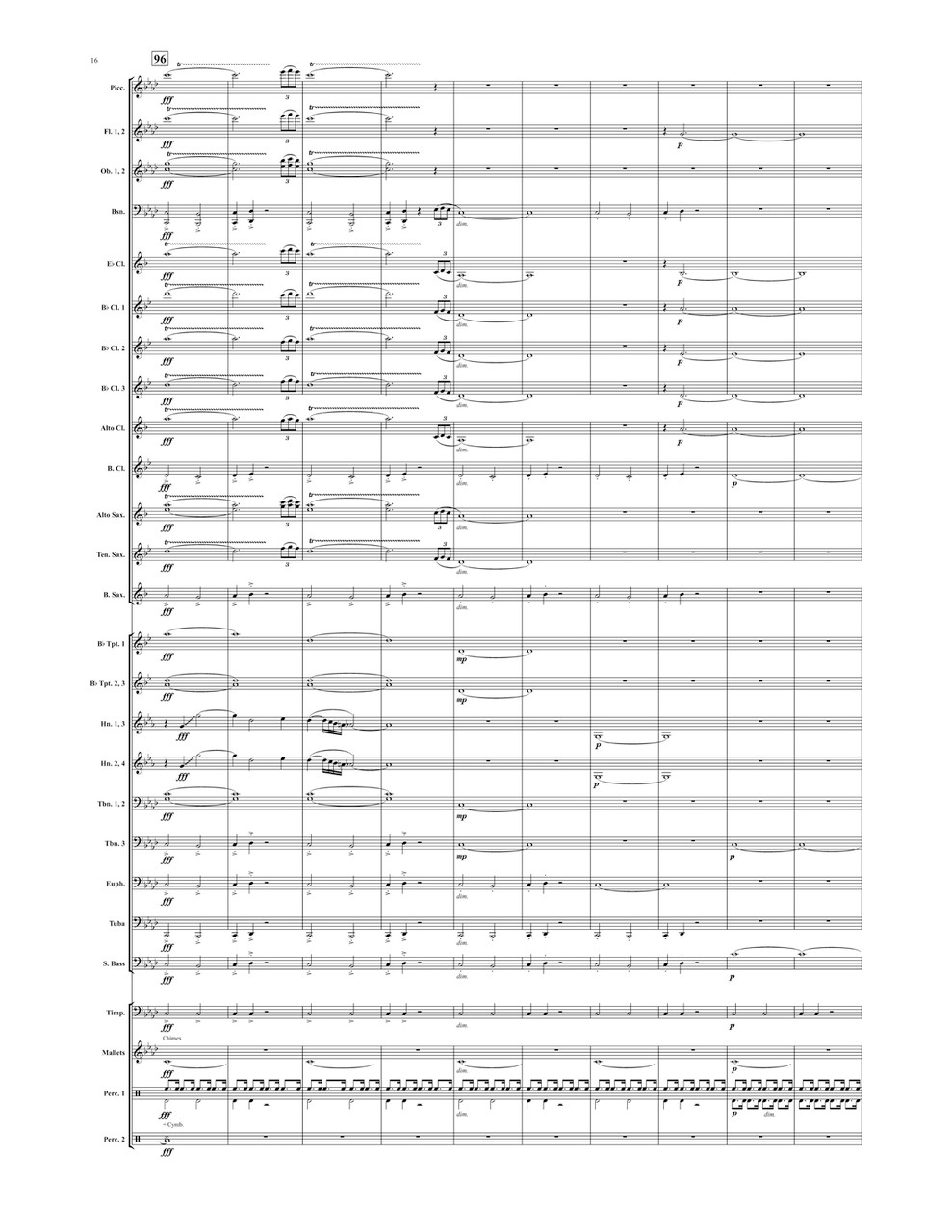

Heijo Corridor (Band Gr. 5)
Genre: Band
Series: N/A
# of Players: Standard
Level: 5 | Duration: 8:00
Publisher: HAFABRA Music | Copyright: 2022
Price:
$150.00
Item #:
98980
-
Notes & Instrumentation
The first city in Japanese history was built in 710 A.D. in Nara's Heijo-kyo. It became the final destination of the Silk Road that connected Europe and Japan. The work was created to symbolize the powerful Japanese culture that has continued from the past to the present.
Genre: Band | # of Players: Standard
Series: N/A
Level: 5 | Duration: 8:00
Instrumentation
Conductor's Score (8.5"x11" stapled booklet)
Piccolo
Flute 1
Flute 2
Oboe 1
Oboe 2
Bassoon 1
Bassoon 2
E-flat Clarinet
B-flat Clarinet 1
B-flat Clarinet 2
B-flat Clarinet 3
E-flat Alto Clarinet
B-flat Bass Clarinet
Alto Saxophone 1
Alto Saxophone 2
Tenor Saxophone
Baritone Saxophone
B-flat Trumpet 1
B-flat Trumpet 2
B-flat Trumpet 3
F Horn 1
F Horn 2
F Horn 3
F Horn 4
Trombone 1
Trombone 2
Trombone 3
Euphonium B.C. 1 & 2
B-flat Euphonium T.C. 1 & 2
Tuba
String Bass
Timpani (4 drums)
Percussion 1: 3 Toms or Low Taiko, Shime Daiko (or Bongos)
Percussion 2: Bass Drum, Tam-Tam, Wind Chimes, Suspended Cymbal, Tambourine
Program Notes
Heiji Corridor was premiered at the "1300th Anniversary Ceremony'' held in Nara, Japan in 2010. The world knows that Japan's current capital is Tokyo. However, the first city in Japanese history was built in 710 A.D. in Nara's Heijo-kyo. A delegation from Japan at the time headed to Tang (present-day China) to learn about the international situation. By conveying the unfamiliar culture that existed on the continent, the Japanese felt that their eyes were greatly opened. The basic form of the Japanese nation was then established. Heijo-kyo became the final destination of the Silk Road that connected Europe and Japan. The work was created to symbolize the powerful Japanese culture that has continued from the past to the present. -
Product Reviews