- New!
- Band
- Percussion
- Orchestra
- Brass Band
- Jazz
- Chamber
- Voice





-
Notes & Instrumentation
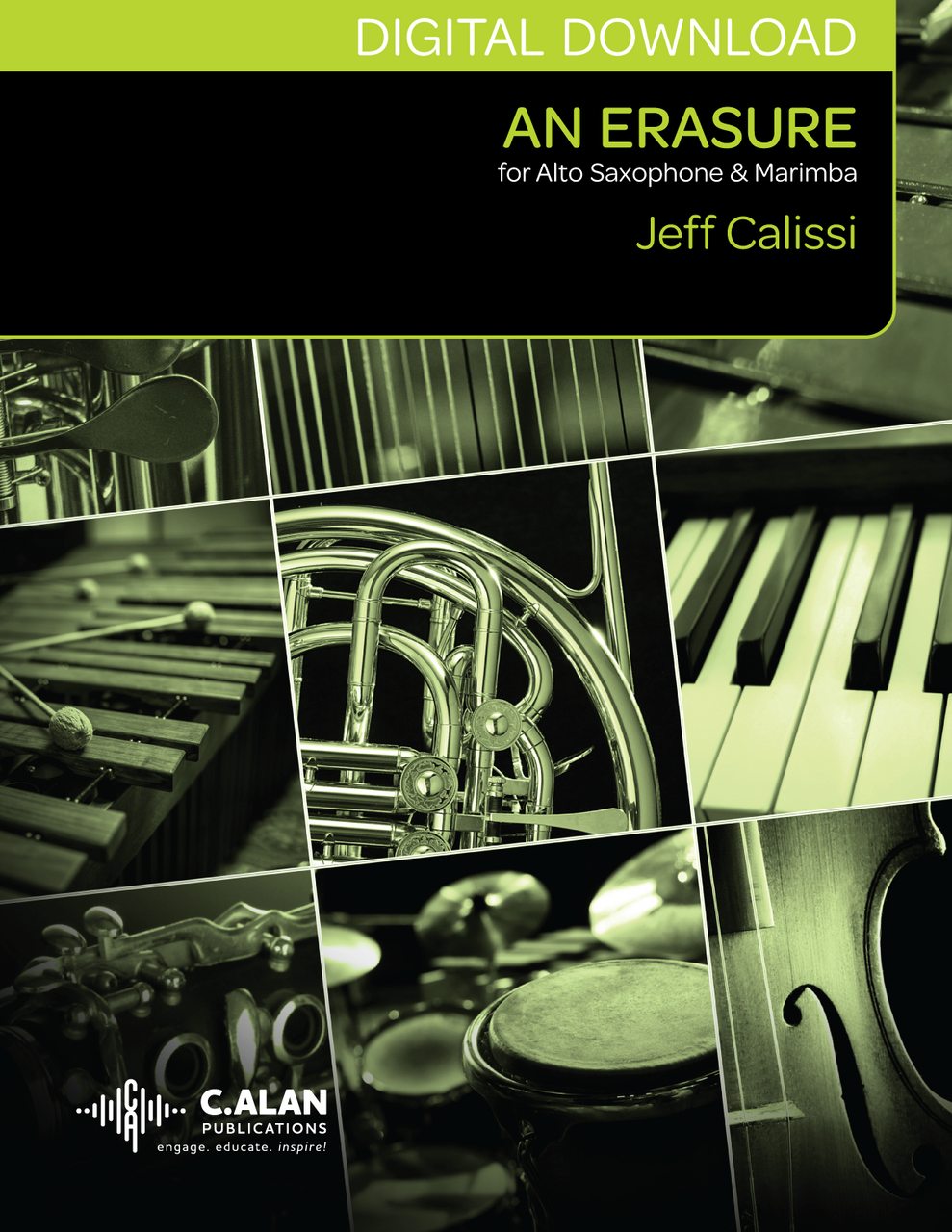
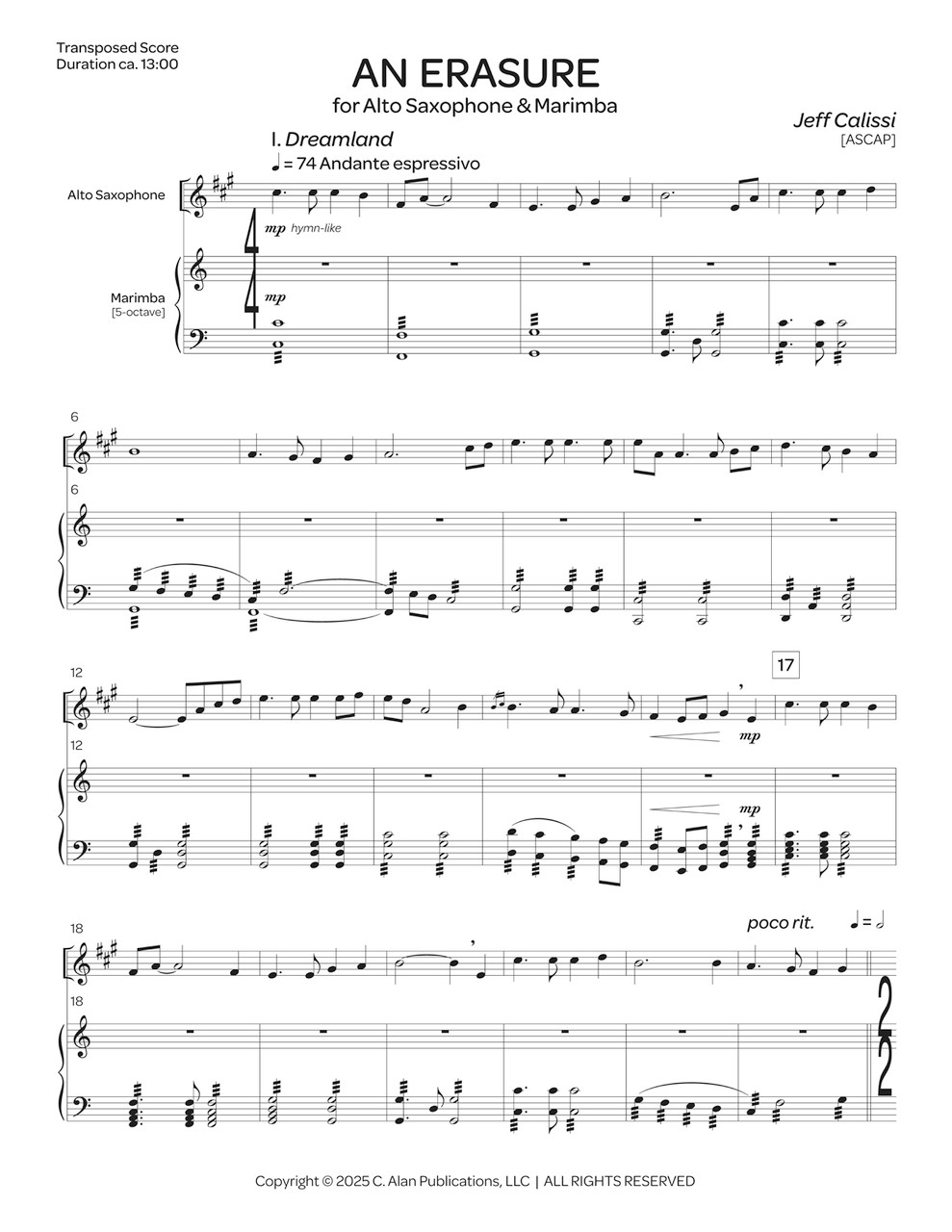
An Erasure was first conceived as the soundtrack for a theatrical stage production that infused poetry, dance, acting and music to tell the story of the 1921 Tulsa Race Massacre in commemoration of its centennial. The saxophone and marimba are collaborative partners in a musical effort to spotlight the north Tulsa, Oklahoma neighborhood, to celebrate the achievements of the African American residents who lived there between the years 1907 and 1921, and to remember the catastrophic loss of life and cultural capital brought about by one of the worst incidents of racial violence in U.S. history.
Genre: Duet for Alto Saxophone & Marimba | # of Players: 2
Series: N/A
Level: Medium Advanced | Duration: 12:15
Instrumentation
Score (8.5"x11" stapled booklet)
Alto Saxophone
Marimba (5-octave)
Program Notes
An Erasure was first conceived as the soundtrack for a theatrical stage production on the campus of Eastern Connecticut State University. “The Greenwood Project: Against Erasure” infused poetry, dance, acting and music to tell the story of the 1921 Tulsa Race Massacre in commemoration of its centennial. Director: Brian Day; Producers: Brian Day, Daniel Donaghy, and Alycia Bright-Holland; Writers: Daniel Donaghy and Brian Day; Choreography: Alycia Bright-Holland; Poems: Daniel Donaghy; Music: Jeff Calissi.Following the campus performances, a film version of the stage play, “Greenwood: A Dreamland Destroyed”, was screened at several film festivals and was awarded Honorable Mention at the Germany International Film Festival and Best Feature Documentary at the Indianapolis Black Documentary Film Festival. The associated three-part poem, “Tulsa Triptych,” which provided the narrative backdrop of the stage and screen productions, was published in Southern Humanities Review and awarded the Auburn Witness Poetry Prize.
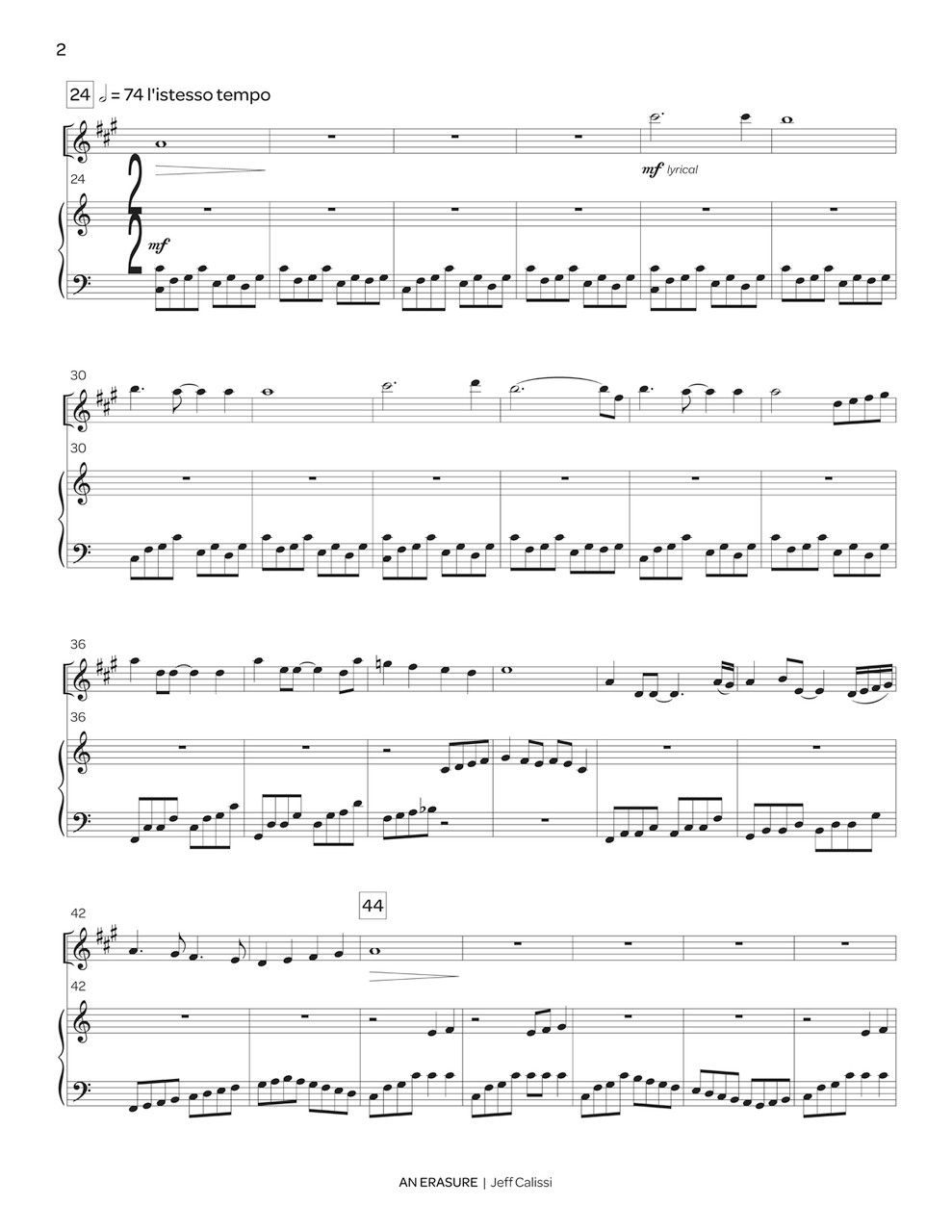
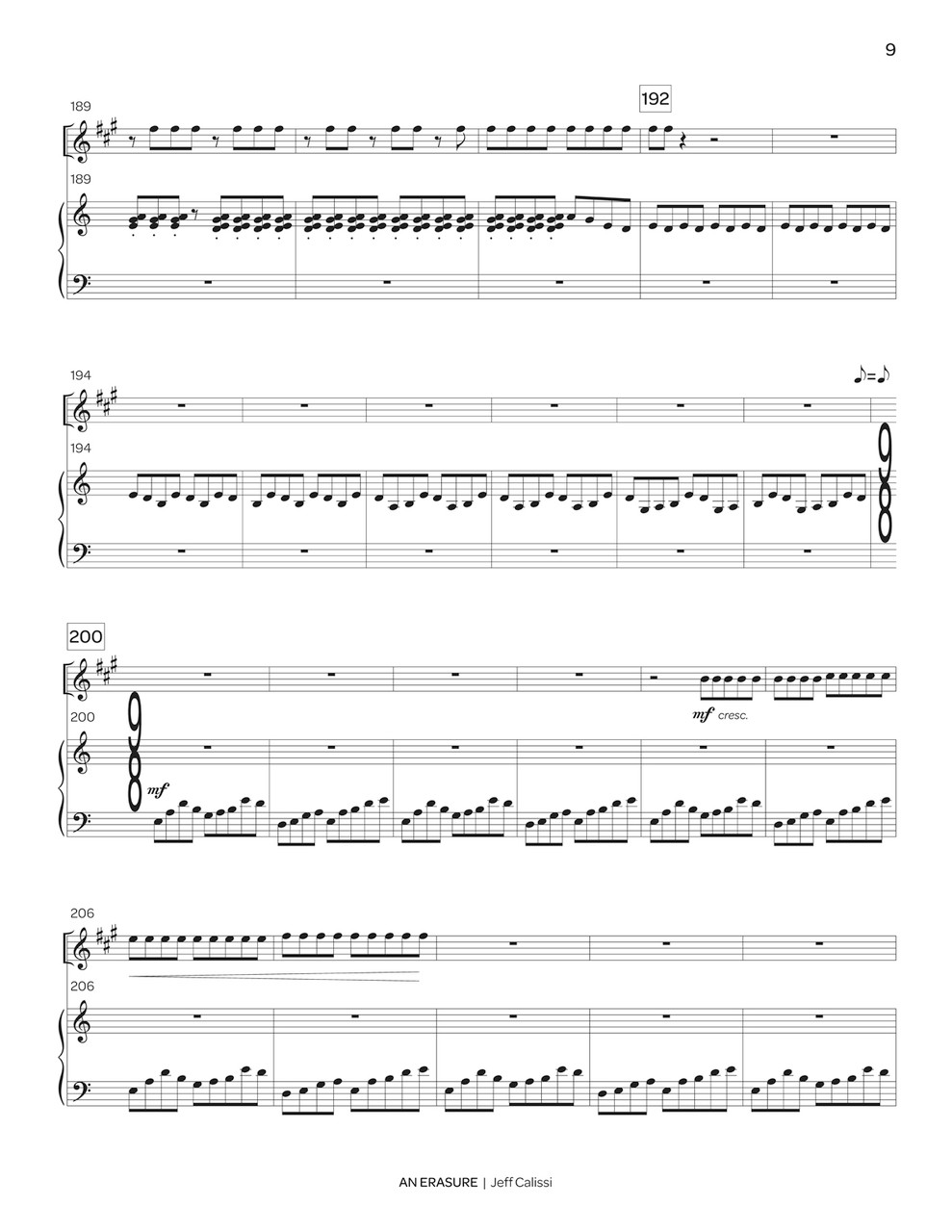
An Erasure is a concert version of the music that accompanied the poetry that was read on stage and narrated in the film. The piece is constructed in three consecutive movements and to be performed without pause. The saxophone and marimba are collaborative partners in a musical effort to spotlight the north Tulsa, Oklahoma neighborhood, to celebrate the achievements of the African American residents who lived there between the years 1907 and 1921, and to remember the catastrophic loss of life and cultural capital brought about by one of the worst incidents of racial violence in U.S. history.
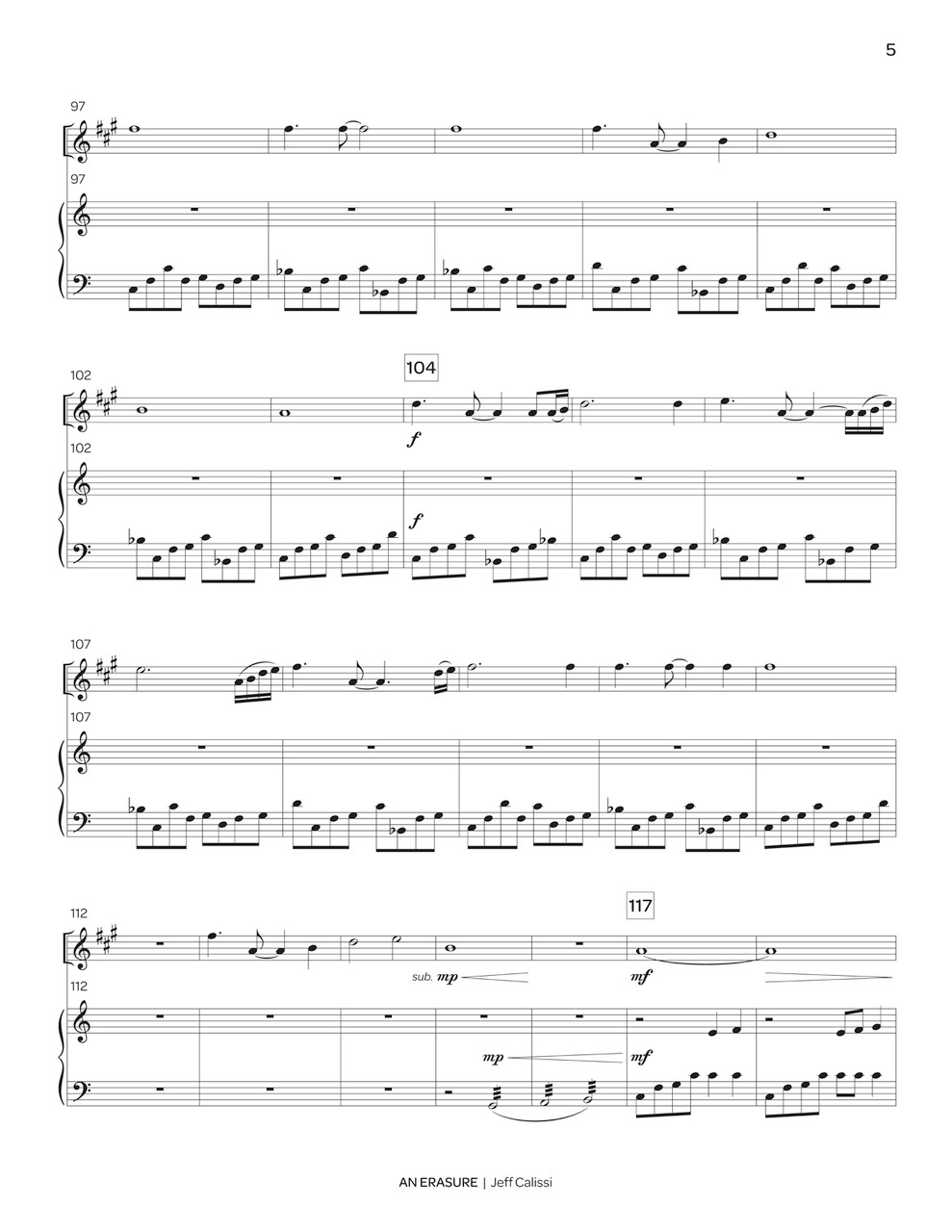
Dreamland: a celebratory tone that seeks to tell the story of the Greenwood neighborhood of north Tulsa, Oklahoma. The music begins with a hymn-like melody then transitions to a lyrical and hopeful sound that follows the narration of the building of community and a promise of the future. Echoes of the spiritual Nobody Knows the Trouble I’ve Seen are embedded within the middle structure, foreshadowing the events that followed.
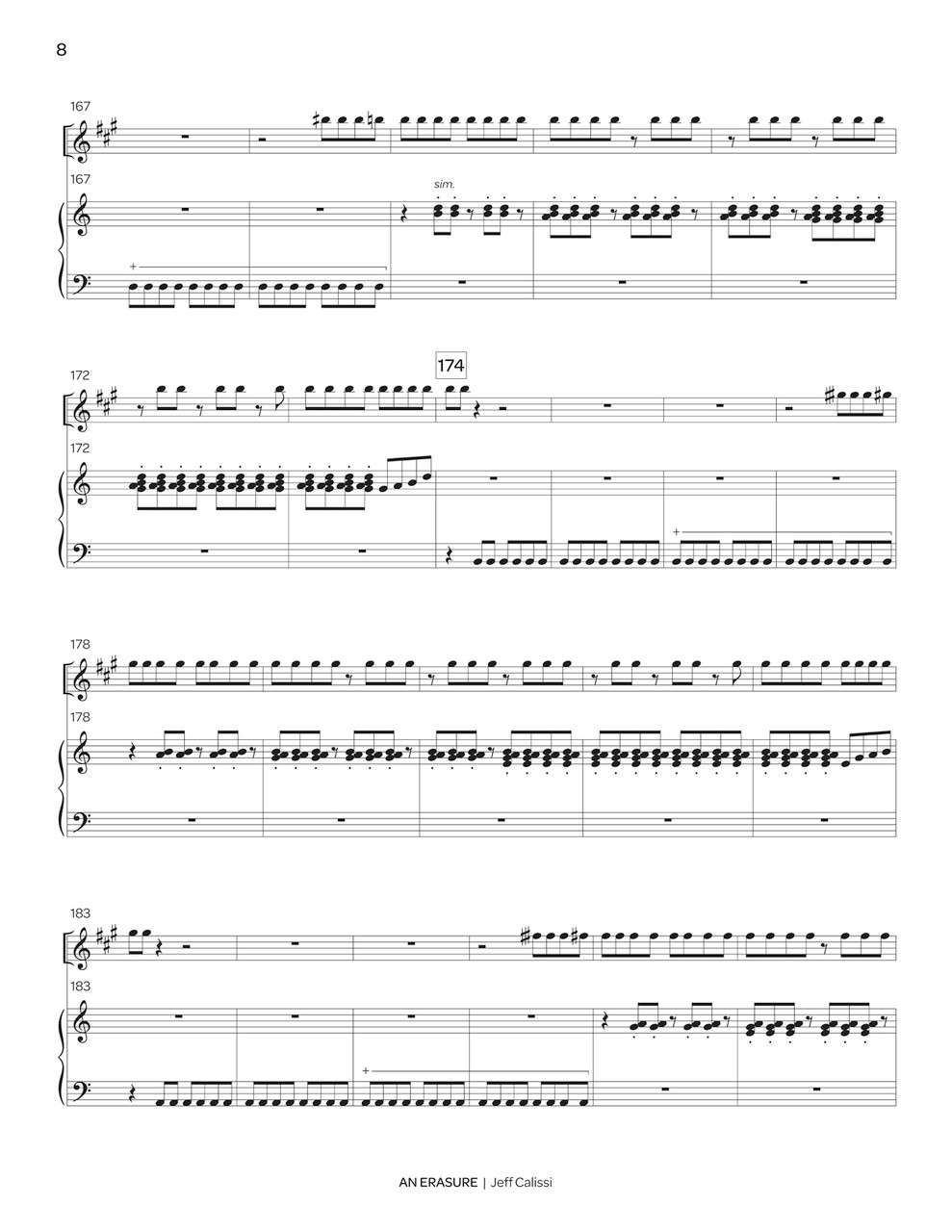
Spark: angry and earnest phrasing which highlights the role that an inflammatory front-page newspaper article played in the horrific events that unfolded after its publication. The musical structure uses minimal tonal language between the two instruments reflective of an incident that was reported upon in a one-sided manner. This event, which took place in an elevator between two parties, and the article that followed was the igniting of the already tense racial environment that surrounded the Tulsa area known as “Black Wall Street.”
Hate: speaking to a picture of an armed man standing in front of Greenwood burning in the background. This unnamed figure was amongst many responsible for looting homes, stores, and businesses, and burning to the ground almost all of what had been built. A motif from the first poem is disfigured and altered much in the same way the neighborhood and lives were changed in the aftermath of the massacre. The piece ends by reflecting back to the second movement introductory theme and concludes in a somber manner with a callback to Nobody Knows the Trouble I’ve Seen, ending on an unresolved chord.
Performed by Josh Thomas, alto saxophone & Jeff Calissi, marimba -
Product Reviews